Mar 18, 2026
Corporate Event Production Checklist: 20 Steps to Flawless Execution
A 20-step corporate event production checklist covering every phase from creative brief through post-event analysis for flawless execution.
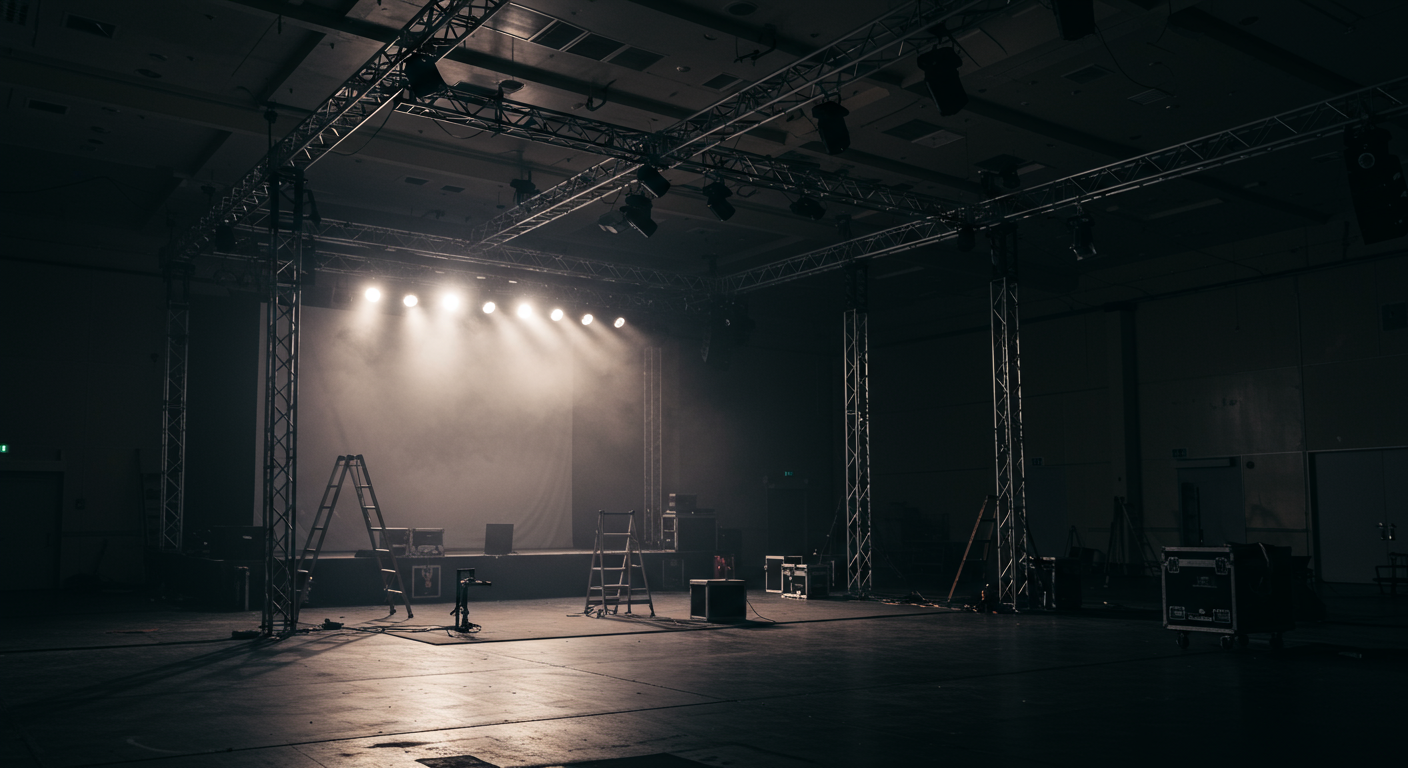
A corporate event production checklist is a structured, sequential task list that ensures every element of a corporate event — from initial strategy through post-event analysis — is planned, assigned, tracked, and completed on schedule. Professional event producers rely on standardized checklists to eliminate oversights, coordinate cross-functional teams, and deliver consistent results across events of varying scale and complexity.
Why a Corporate Event Production Checklist Matters
Corporate events carry enormous stakes. Product launches, annual conferences, leadership summits, investor presentations, and awards galas represent significant financial investment and reputational exposure. A single production failure — a missed audio cue, incomplete scenic installation, or overlooked permitting requirement — can undermine months of planning and thousands of dollars in spending. The checklist is the production team’s insurance policy against these failures.
The 20 steps below are organized chronologically across five production phases: Strategic Planning, Creative Development, Pre-Production, Execution, and Post-Event. Each step includes the key actions, responsible parties, and common pitfalls that derail corporate events when left unaddressed.
Phase 1: Strategic Planning (12–16 Weeks Out)
Step 1: Define Event Objectives and KPIs
Every corporate event must start with clearly articulated business objectives. Are you launching a product, strengthening client relationships, celebrating company milestones, training a sales force, or generating media coverage? Define two to three primary objectives and establish measurable KPIs for each. Attendance targets, lead generation numbers, social media impressions, press mentions, post-event survey scores, and direct revenue attribution all provide quantifiable benchmarks against which to measure success. Document these objectives in a one-page brief that every stakeholder signs off on before any creative work begins.
Step 2: Establish Budget and Contingency
Build a detailed line-item budget covering every cost category: venue rental, catering, AV production, scenic fabrication, lighting, entertainment, staffing, transportation, hotel blocks, printing, photography and videography, technology, marketing and communications, insurance, and permits. Add a contingency line of 10–15% of the total budget to absorb inevitable overages and last-minute additions. The most common budget mistake in corporate event production is underestimating fabrication and AV costs, which together typically represent 30–50% of a production-quality corporate event.
Step 3: Assemble the Production Team
Identify and engage every vendor and internal team member who will contribute to the event. The core team typically includes an event producer or project manager, creative director, scenic fabrication partner, AV production company, lighting designer, catering team, venue liaison, and marketing or communications lead. Schedule a kickoff meeting where every team member reviews the event brief, budget, and preliminary timeline. Assign clear ownership for every deliverable.
Step 4: Secure the Venue
Venue selection is the single decision with the most downstream impact on every other production element. Evaluate venues against a standardized scorecard: capacity, load-in access and dock specifications, ceiling height, rigging points, floor load ratings, electrical service capacity, internet bandwidth, parking and transportation access, ADA compliance, noise restrictions, curfew policies, exclusive vendor requirements, and insurance stipulations. Conduct a physical site survey with your scenic and AV leads present — they will identify constraints and opportunities that a venue brochure cannot communicate.
Phase 2: Creative Development (10–12 Weeks Out)
Step 5: Develop the Creative Concept
With objectives defined and venue confirmed, the creative team develops the event concept — the thematic and visual framework that unifies every touchpoint from invitation to on-site experience to follow-up communications. The concept should directly serve the business objectives established in Step 1. Present the concept through mood boards, reference imagery, preliminary floor plans, and a narrative brief that articulates the attendee journey from arrival through departure.
Step 6: Design Scenic and Environmental Elements
Translate the creative concept into detailed scenic designs including stage sets, branded environments, registration and check-in areas, breakout room configurations, sponsor activations, and photo opportunities. Produce CAD floor plans, 3D renderings, and material specifications for every fabricated element. The design phase is where budget alignment happens — renderings must be reviewed against budget realities, and value engineering should occur here rather than during fabrication when changes are far more expensive. Brand activation elements require particular design attention to ensure they are both visually compelling and operationally functional.
Step 7: Plan the AV and Technology Package
Specify every audio, video, lighting, and technology element required. This includes main stage presentation systems (screens, projection or LED walls, monitors, teleprompters), audio systems (speakers, microphones, mixing consoles, recording feeds), stage lighting, environmental and architectural lighting, live streaming infrastructure, audience interaction technology (polling, Q&A platforms), and network requirements (dedicated Wi-Fi, hardwired connections for production-critical systems). Create a detailed input list for every presentation and performance segment.
Step 8: Finalize the Run of Show
The run of show is the minute-by-minute script for the entire event, from doors open to final exit. It specifies every cue, transition, speaker introduction, media playback, lighting change, scenic movement, and intermission. The run of show is a living document that evolves as programming details are confirmed, but establishing its structure early provides the framework for all subsequent technical planning. Distribute the run of show to every production team member and update it systematically as changes occur.
Phase 3: Pre-Production (4–10 Weeks Out)
Step 9: Begin Fabrication and Production
With approved designs and engineering drawings, scenic fabrication begins. Monitor fabrication progress through weekly check-ins and shop visits. Ensure critical path items — elements with the longest production time or highest dependency — are prioritized and tracked separately. Request progress photos of fabrication milestones. PUYB maintains an open-shop policy that allows clients to visit during production for real-time quality verification and peace of mind.
Step 10: Coordinate Logistics and Transportation
Plan the physical movement of every element to the venue. This includes scenic freight, AV equipment, furniture, catering equipment, printed materials, sponsor materials, and client-supplied items. Create a master shipping manifest with item descriptions, dimensions, weights, origin points, and required delivery dates. Book freight carriers and confirm venue receiving procedures, dock schedules, and storage availability. For multi-city or touring events, logistics planning becomes a dedicated workstream requiring specialized freight coordination.
Step 11: Manage Permits, Insurance, and Compliance
Confirm all required permits are filed and approved: temporary assembly permits, fire department inspections, street closure permits for load-in, noise variance permits, liquor licenses, and health department approvals for catering. Verify insurance coverage — both your company’s general liability and the venue’s requirements for additional insured endorsements. Review all scenic materials for fire code compliance and prepare certificates of flame resistance for the venue’s fire safety officer.
Step 12: Develop the Communication Plan
Create pre-event communications for attendees (save-the-dates, invitations, logistics information, mobile app downloads), internal stakeholders (progress updates, budget reports, risk assessments), and media (press releases, media advisories, credentialing procedures). Schedule social media content for before, during, and after the event. Prepare holding statements for potential issues (weather, cancellation, security incidents) so communications can be deployed rapidly if needed.
Step 13: Confirm Catering and Hospitality
Finalize menus, service style, dietary accommodation procedures, beverage programs, and staffing ratios with the catering team. Conduct a tasting if the budget allows. Confirm meal timing in the run of show to ensure catering and production schedules are aligned. Review the floor plan for service flow — kitchen access, buffet placement, bar locations, bussing stations — and resolve any conflicts with scenic or AV elements.
Step 14: Brief Speakers and Performers
Provide every speaker and performer with a detailed brief including their segment timing, stage layout, AV setup, slide upload procedures, microphone type, walk-on and walk-off logistics, and rehearsal schedule. Collect all presentation files at least one week before the event for formatting, compatibility testing, and backup. Identify technical requirements for any demonstrations, product reveals, or special effects tied to presentation content.
Phase 4: Execution (Event Week)
Step 15: Execute Load-In and Installation
Load-in is the most physically intensive and schedule-critical phase of any corporate event. Create a detailed load-in schedule that sequences deliveries, installation teams, and venue access windows to prevent conflicts. Scenic installation typically comes first, establishing the physical environment. AV, lighting, and technology follow, integrating with the scenic elements. Florals, furniture, and finishing touches come last. Maintain a real-time punch list of issues identified during installation and assign resolution ownership immediately.
Step 16: Conduct Technical Rehearsal
A full technical rehearsal walks through every element of the run of show with all production systems live. Test every audio input, video source, lighting cue, scenic transition, and automation sequence. Verify presenter confidence monitors, teleprompters, and stage marking. Run the show start to finish without stopping, noting issues for correction. For complex productions, schedule a separate sound check for musical performers and a separate presenter rehearsal for keynote speakers.
Step 17: Run the Final Walk-Through
The day before or morning of the event, conduct a final walk-through with the client, venue manager, and key production leads. Walk the attendee journey from arrival through departure, confirming signage, branding, cleanliness, accessibility, safety, and overall readiness. Check restrooms, coat check, registration, and all public-facing areas. This walk-through is the last opportunity to catch and correct issues before attendees arrive.
Step 18: Execute Show Day Operations
On show day, the production manager runs the event from a central command position with communication to all department heads via radio. Monitor the run of show in real time, calling cues and managing transitions. Station production assistants at key positions — registration, stage wings, VIP areas, and sponsor activations — to identify and resolve issues immediately. Maintain a calm, professional communication tone on radio channels regardless of circumstances. The Keurig x Nasdaq activation exemplified this discipline, with multiple live broadcast integrations requiring precision timing and zero margin for error across a complex, multi-zone corporate experience.
Step 19: Manage Strike and Load-Out
Strike begins immediately after the last attendee departs, following a reverse installation sequence. Fragile and high-value items are packed first while the venue is still secure. Scenic elements are disassembled, labeled, and loaded according to the shipping manifest. AV equipment is struck, inventoried, and cased. The venue is restored to its pre-event condition per the lease agreement. A final venue walk-through with the venue manager confirms satisfactory condition and releases the security deposit.
Phase 5: Post-Event (1–2 Weeks After)
Step 20: Conduct Post-Event Analysis
Schedule a post-event debrief within one week while details are fresh. Review performance against the KPIs established in Step 1. Compile attendee feedback from surveys, social media, and direct communications. Document production lessons learned — what worked, what failed, and what should be modified for future events. Reconcile the final budget against original estimates, identifying categories that came in over or under. Archive all production documents, vendor contacts, floor plans, and run of show documents for reference on future events.
Applying This Checklist to Your Next Event
This 20-step corporate event production checklist provides a framework that scales from intimate executive dinners to multi-thousand-person conferences. The specific complexity of each step varies with event scale, but the sequence remains consistent. Skipping steps — particularly in the strategic planning and pre-production phases — introduces risk that compounds as the event date approaches.
Pop Up Your Brand supports corporate event production across the fabrication, scenic design, and installation steps of this checklist, providing immersive production capabilities from concept through strike. With more than 200 corporate events delivered and a zero missed opens record, PUYB brings the production discipline that transforms this checklist from a planning document into a flawless execution.
Recent work like the Celsius Pop-Up and the Monday.com MP Live exhibit reflects the in-house fabrication standards Pop Up Your Brand brings to every build.