Mar 23, 2026
Fashion Brand Activation Guide: Runway to Retail Experiences
A guide to fashion brand activations covering pop-up shops, launch events, immersive showrooms, runway environments, and influencer experiences that drive engagement.
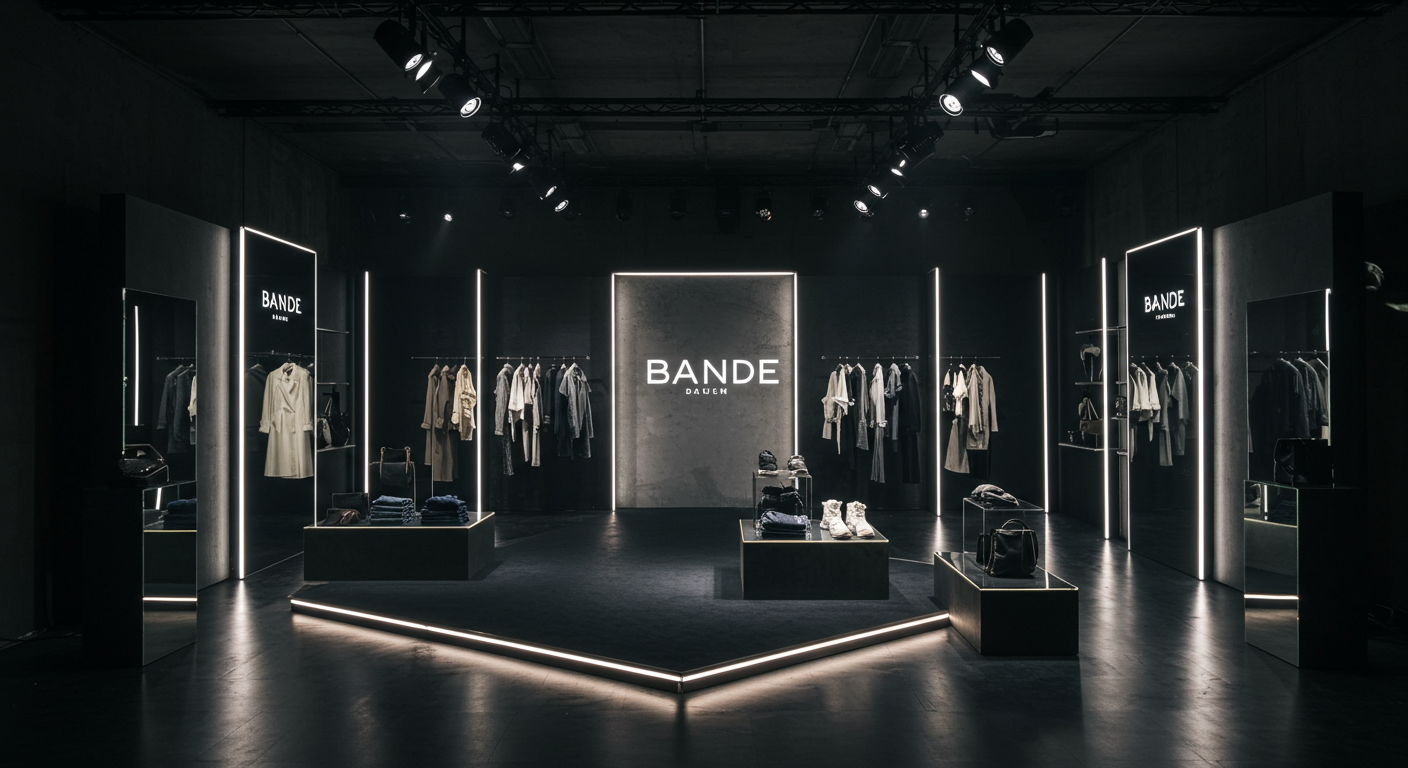
A fashion brand activation is a live, physical experience designed to immerse consumers, press, and influencers in a fashion brand’s identity, collection narrative, or product story through environments that go far beyond traditional retail displays or runway presentations. These activations translate a brand’s aesthetic vision into three-dimensional spaces where visitors can see, touch, and emotionally connect with the brand in ways that digital channels cannot replicate.
Why Fashion Brands Need Physical Activations
The fashion industry faces a fundamental challenge in the digital age: how to create genuine emotional connections when most consumer touchpoints are two-dimensional screens. Social media drives awareness, but physical experiences drive loyalty. A consumer who scrolls past a fashion advertisement retains minimal impression. A consumer who walks through a branded environment, touches fabrics, interacts with product displays, and shares their experience on social media forms a memory that influences purchasing decisions for months or years.
Fashion brand activations also solve the discovery problem. Emerging and direct-to-consumer brands need physical presence to establish credibility and allow consumers to evaluate quality, fit, and craftsmanship firsthand. Established luxury houses use activations to reach new demographics — particularly Gen Z consumers who value experiences over traditional advertising — and to create exclusive moments that reinforce their aspirational positioning.
The commercial impact is measurable. Brands that invest in experiential activations consistently report higher conversion rates, larger average order values, increased social media following, and stronger customer lifetime value compared to consumers acquired through purely digital channels. The physical experience becomes content that extends far beyond the activation itself, generating organic impressions that multiply the original investment.
Types of Fashion Brand Activations
Immersive Pop-Up Shops
Fashion pop-ups are the most commercially direct form of brand activation, combining experiential design with transactional retail. Unlike standard temporary stores, a fashion brand activation pop-up transforms the space into an extension of the brand universe. A streetwear brand might build an environment inspired by urban skateparks with concrete textures, steel fixtures, and graffiti-inspired graphics. A luxury brand might create an intimate salon with custom millwork, museum-quality lighting, and appointment-only access. The environment tells the brand story while the product selection and checkout process complete the purchase journey. Pop-up shop design for fashion requires understanding both retail merchandising principles and brand storytelling craft.
Collection Launch Events
Seasonal collection launches demand environments that physically embody the creative direction of the new line. These events target press, buyers, influencers, and VIP customers, requiring premium finishes and meticulous brand alignment. The environment must photograph beautifully from every angle, as attendee and press imagery will define the collection’s visual narrative across media channels. Stage and scenic elements — from runway construction to seating arrangements to backdrop design — must create a cohesive visual world that makes the clothing feel inevitable in context.
Immersive Showrooms
Fashion showrooms are evolving from functional product display spaces into immersive brand experiences. Brands are investing in permanent or semi-permanent showroom environments that receive buyers and press in spaces designed with the same intention as a flagship store. Custom fixtures, curated lighting, editorial-quality product presentation, and sensory elements like scent and sound create a total brand impression that influences order quantities and press coverage. Immersive production techniques transform showrooms from transactional spaces into brand temples.
Fashion Week and Runway Environments
Fashion week presentations offer the highest-visibility activation opportunity in the industry. The runway environment — including stage design, seating configuration, lighting, set pieces, and branded elements — must communicate the collection’s creative vision in the few minutes before the first model appears. Designers increasingly use immersive set design to create environments that contextualize their collections, moving beyond traditional runways to installations, performances, and experiential presentations that generate more media coverage and social engagement.
Influencer and Content Creator Experiences
Dedicated influencer activations prioritize content creation above all other objectives. Every element is designed for the camera: lighting quality, background aesthetics, product styling, and spatial layout are optimized for photo and video capture. These activations often feature exclusive product access, personalization services, styling consultations, and one-on-one brand interactions that create premium content and authentic endorsement. The environment must include multiple distinct visual moments so each influencer produces unique content rather than identical imagery.
Design Principles for Fashion Activations
Brand Identity as Architecture
The most impactful fashion activations translate two-dimensional brand identity into three-dimensional architecture. Color palettes, typography, textures, and graphic motifs from the brand’s visual identity system become wall treatments, floor finishes, fixture designs, and lighting schemes. The goal is an environment so saturated with brand DNA that it is immediately recognizable in photos without visible logos. This requires a fabrication partner with both design sensitivity and technical execution capability — understanding not just what to build, but why specific material choices and finish details matter to the brand narrative.
Product as Hero
In a fashion activation, the product must remain the centerpiece regardless of how immersive the surrounding environment becomes. Display design should elevate individual pieces through strategic lighting, negative space, and considered sightlines. Overcrowded displays undermine the aspirational quality that fashion brands depend on. Each product grouping should feel curated and intentional, with the environment providing context and emotional resonance without competing for attention.
Material Authenticity
Fashion audiences are visually sophisticated and immediately detect inauthentic materials or cheap finishes. The tactile quality of every surface in a fashion activation matters — walls, floors, fixtures, signage, and packaging all contribute to the perceived quality of the brand and its products. Real wood, genuine metals, quality fabrics, and precise paint finishes are non-negotiable in fashion environments. Product launch fabrication for fashion demands higher finish standards than most other industries, with tolerances closer to furniture-making than event construction.
Lighting as Storytelling
Lighting design is disproportionately important in fashion activations. The wrong color temperature can make garments appear different from their true colors, undermining the design team’s color work. Harsh shadows or flat lighting rob textured fabrics of their dimensional quality. Professional fashion activation lighting uses a combination of ambient systems for general atmosphere, focused spotlights for key product displays, and calibrated beauty lighting at photo moments that flatter both the garments and the people wearing or holding them. Color rendering index (CRI) above 90 is essential for accurate color representation.
Planning and Executing a Fashion Brand Activation
Timeline and Milestones
Fashion activations typically require 8 to 14 weeks from concept to opening, depending on complexity and scale. Align the activation timeline with the broader marketing calendar — collection drops, fashion week schedules, retail launch dates, and influencer campaign cadences all influence optimal timing. Build in flexibility for last-minute creative changes, which are more frequent in fashion than in other industries due to the iterative nature of collection development.
Location Strategy
Fashion activation locations must align with brand positioning. A luxury brand loses credibility in an industrial warehouse; a streetwear brand feels inauthentic in a Madison Avenue gallery. Match the venue character to the brand character, then enhance it through design and fabrication. Consider foot traffic patterns, proximity to the target demographic, public transit access, and the surrounding retail and cultural context. Fashion activations in New York, Los Angeles, London, Paris, and Tokyo benefit from established consumer expectation of experiential retail in these markets.
Fabrication and Installation
Fashion fabrication demands precision finishes and a collaborative process where the fabrication team works closely with the brand’s creative director or art director. Pop Up Your Brand approaches fashion projects as creative partnerships, beginning with detailed material sampling and finish mock-ups that allow the brand team to evaluate quality before full production begins. The shop-to-site transition must be seamless — elements that look perfect under fluorescent shop lights must perform equally well under the venue’s specific lighting conditions.
Staffing and Brand Ambassadors
Fashion activation staff represent the brand as directly as the physical environment. Hire and train brand ambassadors who embody the brand’s aesthetic and values. Provide detailed style guides for staff appearance, covering wardrobe, grooming, and accessories. Brief staff on collection details, brand history, key talking points, and the specific objectives of the activation. The human element is what transforms a branded environment from a showroom into an experience.
Measuring Fashion Activation Impact
Fashion brand activation measurement spans quantitative commerce metrics and qualitative brand health indicators. Track foot traffic and conversion rates to assess commercial performance. Monitor social media impressions, engagement rates, and user-generated content volume to measure amplification impact. Collect email addresses and CRM data to evaluate audience acquisition value. For press and influencer events, track resulting editorial placements, their estimated media value, and the sentiment and accuracy of coverage.
The most sophisticated fashion brands also measure long-term brand lift through pre- and post-activation surveys that assess awareness, consideration, and purchase intent among target demographics. This longitudinal data proves the brand-building value of activations beyond their immediate commercial return. The Celsius Pop-Up project demonstrated how activation design focused on content creation generated sustained social impact well beyond the event dates.
Working with a Fashion Activation Partner
Fashion brand activations require a fabrication partner that understands both the technical demands of physical construction and the aesthetic standards of the fashion industry. PUYB has delivered brand activations for fashion, beauty, and lifestyle brands that meet the premium finish expectations of visually discerning audiences. From concept development through installation and strike, a single integrated partner eliminates the quality gaps that emerge when design, fabrication, and installation are split across multiple vendors.
The fashion industry moves fast, and activation timelines often compress under the pressure of collection calendars and competitive market dynamics. Having an in-house fabrication team that can respond quickly — from 48-hour quoting through expedited production schedules — gives fashion brands the agility they need to execute ambitious experiential concepts without sacrificing quality or missing market windows.
Recent work like the Delilah × Hwood Group activation and the Magic Hour Mountain Lodge at Moxy NYC reflects the in-house fabrication standards Pop Up Your Brand brings to every build.