Mar 16, 2026
Holiday Pop-Up Shop Guide: Planning, Design & Execution
A comprehensive guide to planning, designing, and executing holiday pop-up shops that drive seasonal revenue and build lasting brand connections with consumers.
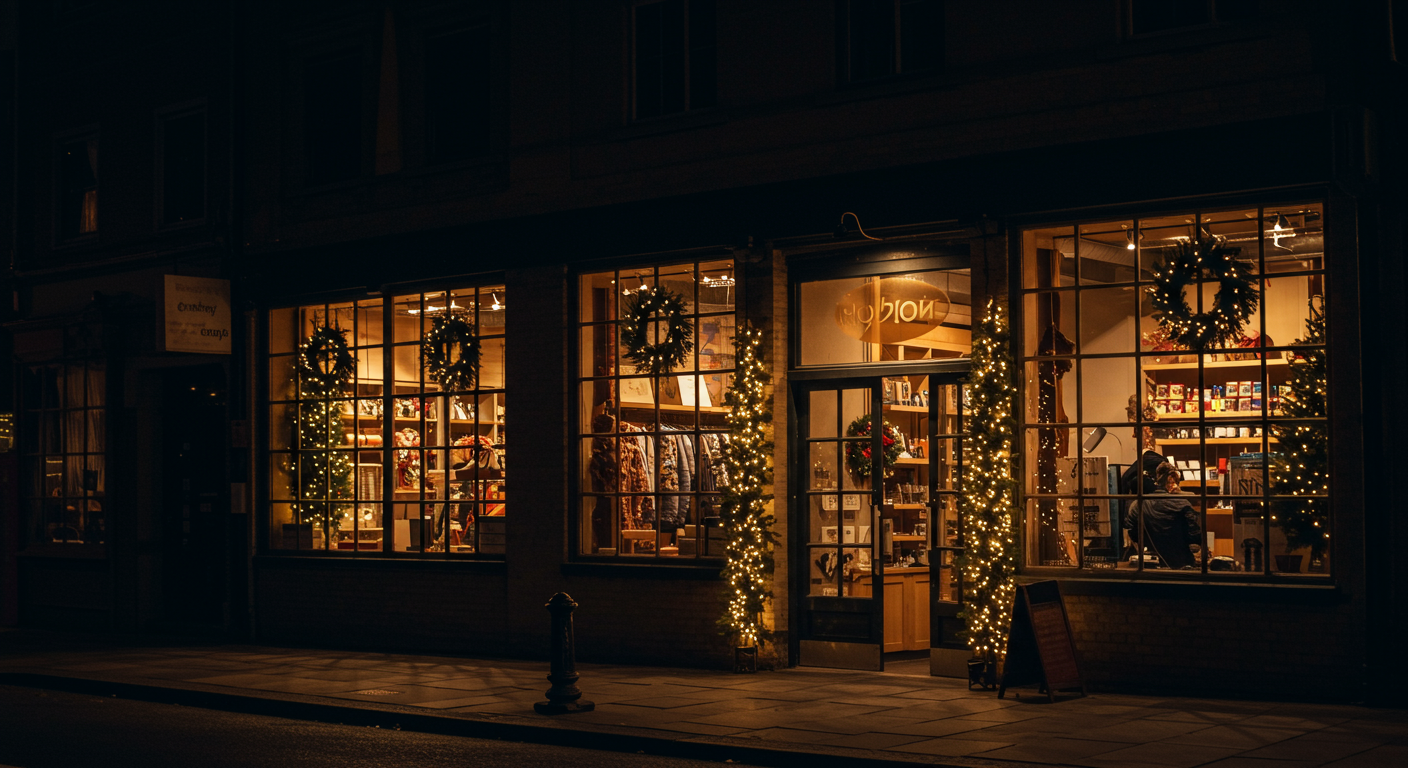
A holiday pop-up shop is a temporary branded retail environment designed to capitalize on peak seasonal consumer spending through immersive, limited-time shopping experiences that generate urgency, foot traffic, and social sharing. These installations typically operate between October and early January, occupying vacant retail spaces, event venues, hotel lobbies, or purpose-built structures in high-traffic urban locations.
Why Holiday Pop-Up Shops Outperform Traditional Retail
Holiday pop-up shops offer brands a unique advantage over permanent retail locations during the most competitive shopping season of the year. The temporary nature creates inherent urgency — consumers understand they have a limited window to visit, which drives faster decision-making and higher average transaction values. The experiential design possibilities far exceed what standard retail fixtures allow, enabling brands to build fully themed environments that immerse shoppers in a seasonal narrative rather than simply displaying products on shelves.
The economics favor pop-ups as well. Brands avoid long-term lease commitments while gaining access to prime locations that might be unavailable or unaffordable for permanent tenancies. Landlords benefit from occupied storefronts during the holiday season rather than vacant spaces, creating favorable negotiating conditions for short-term leases. Pop Up Your Brand has executed holiday retail environments across New York City, consistently seeing brands achieve per-square-foot revenue that rivals or exceeds their permanent locations during these concentrated activation periods.
Consumer behavior data supports the format. Holiday shoppers actively seek unique, gift-worthy experiences they can share on social media. A well-designed pop-up shop becomes both a retail destination and a content creation opportunity, effectively turning every visitor into a brand ambassador. The Primark Holiday Pop-Up project demonstrated this dynamic at scale, generating thousands of social impressions alongside strong sales figures through an environment that was as photogenic as it was shoppable.
Planning Timeline: 16 Weeks to Launch
Successful holiday pop-up shops require significantly more lead time than most brands anticipate. A 16-week planning timeline provides adequate runway for site selection, design development, fabrication, permitting, staffing, marketing, and contingency management. Compressing this timeline is possible but introduces risk at every stage.
Weeks 16–13: Strategic Foundation
The first month focuses on defining objectives, target audience, budget, and success metrics. Brands must decide whether the pop-up is primarily a revenue generator, a brand awareness play, a product launch vehicle, or a hybrid of all three. These strategic decisions directly inform every subsequent choice from location to layout to staffing model. Budget allocation should account for real estate (25–35%), design and fabrication (30–40%), staffing and operations (15–20%), and marketing (10–15%).
Weeks 12–9: Site Selection and Design
Location scouting begins in earnest. Ideal holiday pop-up sites share several characteristics: high pedestrian traffic, proximity to complementary retail, adequate ceiling height for immersive design elements, sufficient electrical capacity for lighting and point-of-sale systems, ADA compliance, and favorable lease terms including load-in and load-out windows. In New York City, prime holiday pop-up locations in SoHo, the Meatpacking District, and Midtown can require securing six months or more in advance.
Once a site is secured, the pop-up shop design process begins with detailed site surveys, floor plans, and concept development. The design must balance brand storytelling with retail functionality — every square foot must serve a purpose, whether that is product display, checkout, storage, queue management, or experiential engagement. Traffic flow modeling ensures customers move naturally through the space without bottlenecks.
Weeks 8–5: Fabrication and Production
With approved designs and engineering drawings, fabrication begins. Custom fixtures, wall treatments, signage, lighting rigs, and interactive elements all require production time. A full-service fabrication partner handles these elements under one roof, maintaining quality control and timeline accountability. Materials are procured, CNC programs are generated from CAD files, and shop production progresses through carpentry, metalwork, painting, and finishing stages.
This phase also encompasses technology integration planning. Point-of-sale systems, inventory management software, digital displays, interactive installations, and Wi-Fi infrastructure must be specified, procured, and tested before installation. Brands running omnichannel strategies need their pop-up POS system integrated with their e-commerce platform for real-time inventory visibility.
Weeks 4–1: Installation, Training, and Soft Launch
The final month is the most intensive. Installation typically requires three to seven days depending on complexity, with overnight work schedules common in urban locations. Staff hiring and training must be completed, with emphasis on brand knowledge, product expertise, and experiential hospitality skills that go beyond standard retail training. A soft launch period of two to three days allows the team to identify and resolve operational issues before the public grand opening.
Design Principles for Holiday Pop-Up Shops
Holiday pop-up shop design operates at the intersection of retail merchandising, experiential marketing, and seasonal theming. The most successful designs create environments that feel immersive and cohesive rather than decorated — the holiday theme should be architecturally integrated, not applied as an afterthought.
Exterior and Storefront Impact
The storefront is the pop-up’s primary marketing asset. Pedestrians make split-second decisions about whether to enter based on what they see from the sidewalk. Dimensional signage, theatrical lighting, window displays with motion or interactive elements, and a clearly defined entry point all contribute to conversion from passerby to visitor. The exterior design must communicate three things instantly: what the brand is, that this is a limited-time experience, and that something worth seeing exists inside.
Interior Layout and Flow
Interior design must guide visitors through a deliberate narrative arc. The entry zone creates an immediate sensory impression — a “wow moment” that validates the decision to enter and prompts the first social media capture. The discovery zone presents products within an experiential context, allowing hands-on interaction and storytelling. The engagement zone deepens the brand connection through interactive elements, personalization stations, or exclusive experiences. The transaction zone facilitates efficient checkout without breaking the immersive spell.
Ceiling treatments are often the most underutilized design opportunity in pop-up shops. Overhead installations — whether suspended sculptures, lighting arrays, fabric canopies, or projection surfaces — transform the visual character of a space more dramatically than any other single element. Immersive production techniques borrowed from theatrical and experiential design create environments that feel complete from floor to ceiling.
Photo Moments and Social Amplification
Every holiday pop-up shop needs at least two to three designated photo moments — visually striking installations specifically designed to be photographed and shared. These should be positioned where natural lighting or supplemental lighting creates flattering conditions, with adequate space for groups to pose and queues to form without blocking traffic flow. Branded elements within the photo moment should be subtle enough to feel organic but visible enough to identify the brand in every shared image.
Fabrication Considerations for Holiday Environments
Holiday pop-up fabrication presents unique challenges that distinguish it from standard event or retail builds. The seasonal context demands warmth, texture, and sensory richness that cold or minimal design approaches cannot deliver.
Material Selection for Seasonal Warmth
Material choices define the tactile and visual character of a holiday environment. Rich wood tones, velvet and knit textiles, warm metallic finishes in gold and copper, and natural elements like evergreen, birch, and dried florals create sensory warmth. These materials must be balanced against fire code compliance — all fabrics and natural materials in public spaces must meet flame-resistance standards. Professional fabrication shops like PUYB source inherently flame-resistant materials and maintain certificates of compliance for venue and fire marshal review.
Lighting Design
Lighting is arguably the single most impactful design element in a holiday pop-up. Warm color temperatures (2700K–3000K) create the inviting, cozy atmosphere that holiday shoppers expect. Layered lighting — combining ambient, accent, and decorative fixtures — adds depth and visual interest. String lights, Edison bulbs, backlit panels, and illuminated signage all contribute to the holiday character while serving functional purposes for product display and wayfinding. Programmable LED systems allow color and intensity adjustments throughout the day to match natural light conditions and evening ambiance.
Modularity and Adaptability
Smart holiday pop-up design anticipates the need for adaptability. Product displays should accommodate inventory changes as popular items sell out and new arrivals come in. Modular fixture systems allow layout adjustments based on traffic pattern observations during the first days of operation. If the pop-up will tour to multiple locations, the entire build must be engineered for efficient disassembly, transport, and reassembly — a discipline that requires trade show fabrication expertise applied to a retail context.
Operational Excellence During the Holiday Season
Design and fabrication create the stage, but operations determine whether the pop-up delivers on its business objectives. Holiday pop-up operations face unique pressures including extreme traffic volume, extended hours, weather challenges, and the emotional intensity of holiday shopping.
Staffing Strategy
Holiday pop-up staff must function as brand ambassadors, not just retail associates. They should be able to tell the brand story, explain product features, facilitate experiential elements, and manage the energy of a crowded space. Hire at 150% of your minimum staffing requirement to account for holiday-season absenteeism. Schedule overlapping shifts to ensure full coverage during peak hours, which in holiday retail typically run from 11 AM to 7 PM on weekdays and 10 AM to 8 PM on weekends.
Inventory and Fulfillment
Inventory management in a temporary space requires careful planning. Storage is typically limited, so a replenishment strategy — daily deliveries from a nearby warehouse or fulfillment center — keeps displays stocked without consuming valuable retail square footage. Offer ship-to-home options for bulky items or out-of-stock sizes, keeping the sale even when the physical product is not on hand. Track sell-through rates daily to identify trends and adjust reorder quantities.
Queue and Crowd Management
Popular holiday pop-ups can generate lines that extend around the block. This is a marketing asset if managed well and a liability if managed poorly. Implement a virtual queue system (text-based or app-based) that allows shoppers to explore the neighborhood while waiting. Use stanchions and signage to organize physical queues on the sidewalk, and coordinate with local property management and municipal authorities if extended queuing is anticipated. Inside the space, monitor capacity in real time and control entry to maintain a comfortable density that allows browsing without crowding.
Measuring Holiday Pop-Up Success
Comprehensive measurement transforms a holiday pop-up from a single-season tactic into a strategic data source that informs future investment. Track metrics across four categories: financial performance, brand engagement, operational efficiency, and earned media impact.
Financial metrics include gross revenue, average transaction value, units per transaction, conversion rate (visitors to purchasers), and cost per acquisition compared to other channels. Brand engagement metrics encompass total visitors, dwell time, email or loyalty program sign-ups, and Net Promoter Score from post-visit surveys. Operational metrics track queue wait times, staff-to-visitor ratios, inventory turnover, and peak capacity management. Earned media metrics measure social media mentions, hashtag usage, user-generated content volume, press coverage, and estimated media value.
Common Holiday Pop-Up Mistakes to Avoid
Even experienced brands make predictable errors when launching holiday pop-ups. Underestimating lead time is the most frequent — starting the planning process in September for a November launch compresses every phase and inflates costs through rush fees. Choosing a location based on rent cost alone, without considering foot traffic, demographics, and competitive proximity, undermines the entire investment. Over-designing the space at the expense of functional retail requirements creates beautiful environments where nobody can actually shop comfortably.
Neglecting the digital integration is another common gap. The pop-up should connect seamlessly to the brand’s digital ecosystem — social handles displayed prominently, branded hashtag encouraged at every touchpoint, email capture embedded in the experience, and real-time social content created by on-site staff. The physical experience generates content and data that fuel digital marketing for months after the pop-up closes.
Working with a Holiday Pop-Up Partner
The most efficient path to a successful holiday pop-up shop is engaging a single partner who can manage design, retail activation fabrication, installation, and project management under one scope. This eliminates the coordination overhead of managing separate design firms, fabrication shops, lighting vendors, and installation crews — each with their own timelines, contracts, and communication protocols.
Pop Up Your Brand delivers turnkey holiday pop-up shop solutions from concept through strike, with 48-hour quoting, in-house fabrication, and a zero missed opens record across more than 200 projects. Starting the conversation 16 weeks before your target launch date provides the most flexibility and the best results. For tighter timelines, PUYB’s in-house capabilities allow compressed schedules that would be impossible when coordinating multiple vendors.
Holiday pop-up shops represent one of the most powerful tools in a brand’s seasonal marketing arsenal. With proper planning, thoughtful design, expert fabrication, and disciplined operations, a temporary retail environment can generate revenue, build brand equity, create social content, and deliver consumer insights that inform strategy year-round. The brands that treat their holiday pop-up as a strategic investment rather than a seasonal experiment are the ones that see compounding returns season after season.