Mar 09, 2026
Sustainable Event Fabrication: Materials, Practices & Trends
An in-depth look at sustainable event fabrication covering eco-friendly materials, waste reduction strategies, modular design principles, and industry trends shaping greener events.
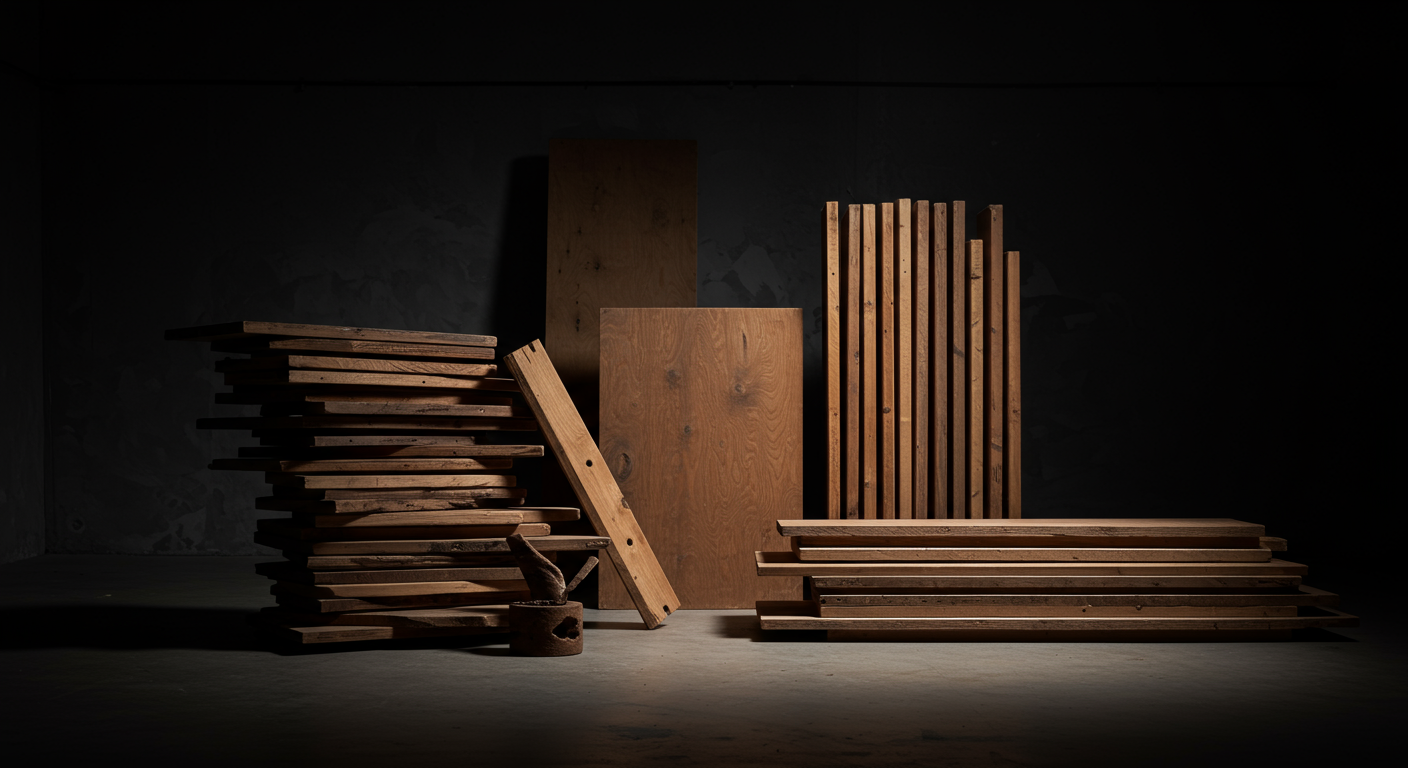
Sustainable event fabrication encompasses the materials, design strategies, production methods, and end-of-life practices that reduce the environmental impact of building physical environments for trade shows, brand activations, and experiential marketing events. The events industry generates an estimated 600,000 tons of waste annually in the United States alone, making fabrication sustainability both an environmental imperative and an increasingly important factor in brand reputation and client requirements.
The Environmental Impact of Traditional Event Fabrication
Traditional event fabrication operates on a linear model: design, build, install, strike, dispose. A single large trade show exhibit can generate 2,000 to 5,000 pounds of waste materials including plywood, foam, fabric, vinyl graphics, carpet, and hardware that go directly to landfill after a three-day event. When multiplied across the thousands of trade shows, brand activations, and experiential events produced annually, the aggregate waste is staggering.
Beyond solid waste, traditional fabrication carries significant carbon footprint through material manufacturing, shop energy consumption, freight transportation, and on-site power generation. The materials themselves — virgin lumber, petroleum-based plastics, synthetic fabrics, and chemical finishes — represent embedded carbon from extraction and manufacturing processes. Recognizing these impacts is the first step toward meaningful change in how the industry approaches event fabrication.
Sustainable Materials for Event Fabrication
FSC-Certified and Reclaimed Wood
Wood remains the primary structural and scenic material in event fabrication, and sourcing matters enormously. Forest Stewardship Council (FSC) certified lumber and plywood come from responsibly managed forests that maintain biodiversity, support indigenous communities, and ensure replanting. The cost premium for FSC-certified plywood is typically 5 to 15 percent above conventional grades — a modest increase that many brands are willing to absorb for the sustainability credential.
Reclaimed wood offers an even more sustainable option for visible scenic elements. Reclaimed barn wood, factory flooring, and architectural salvage provide unique textures and character while diverting material from the waste stream. For structural framing that will be hidden behind finished surfaces, reclaimed dimensional lumber performs identically to virgin stock.
Recycled and Recyclable Metals
Aluminum and steel are inherently recyclable materials that can be melted and reformed without degradation of structural properties. Specifying recycled-content aluminum extrusions and steel tubing for exhibit frameworks reduces embedded carbon by 70 to 95 percent compared to virgin metal production. At end of life, metal components from event fabrication are among the most readily recycled materials, with established scrap markets providing both environmental and economic returns.
Bio-Based and Recycled Plastics
The plastics category presents both challenges and opportunities for sustainable fabrication. Traditional acrylic, PVC foam board, and polycarbonate are petroleum-based and difficult to recycle in mixed-material event waste streams. Emerging alternatives include bio-based PLA (polylactic acid) sheets derived from corn starch, recycled PET panels made from post-consumer plastic bottles, and mushroom-based mycelium composites that are fully compostable at end of life.
These materials are not yet direct replacements for all applications — bio-based plastics often lack the optical clarity of acrylic and may not meet fire code requirements without additional treatment — but they are increasingly viable for signage substrates, decorative panels, and non-structural elements where their environmental benefits outweigh minor performance trade-offs.
Sustainable Fabrics and Soft Goods
Fabric is one of the most wasteful materials in traditional event fabrication because custom-printed stretch fabrics, banners, and drapes are rarely reused. Sustainable alternatives include recycled polyester fabrics made from post-consumer PET bottles, organic cotton for drapes and upholstery, and Econyl regenerated nylon made from reclaimed fishing nets and industrial waste. Dye-sublimation printing on recycled polyester produces vibrant, durable graphics without the solvent waste associated with vinyl printing.
Low-VOC Paints and Finishes
Scenic painting is a core fabrication process, and the shift from solvent-based to water-based paints represents a meaningful sustainability improvement. Low-VOC and zero-VOC paints eliminate the volatile organic compounds that contribute to air pollution and pose health risks to shop workers. Modern water-based scenic paints offer comparable color range, adhesion, and durability to solvent-based alternatives, making the switch largely cost-neutral while significantly reducing the environmental and health impact of the painting process.
Design Strategies for Sustainability
Modular and Reusable Systems
The most impactful sustainability strategy is designing fabrication elements for reuse across multiple events. A modular exhibit system composed of interchangeable wall panels, structural frames, and reconfigurable fixtures can serve five to ten years with periodic graphic refreshes, replacing five to ten single-use builds that would otherwise go to landfill. Pop Up Your Brand designs modular systems that balance visual customization with structural reuse, allowing brands to present a fresh look at each event while amortizing both the financial and environmental cost of fabrication across many deployments.
Design for Disassembly
Even elements that cannot be reused intact should be designed for easy disassembly and material separation at end of life. This means using mechanical fasteners (screws, bolts, cam locks) rather than adhesives, avoiding composite sandwich panels that bond different materials permanently, and clearly labeling material types on hidden surfaces. When different materials can be cleanly separated, each can be directed to the appropriate recycling stream rather than being landfilled as mixed waste.
Material Optimization Through CNC Technology
CNC cutting technology plays a critical role in sustainable fabrication by optimizing material usage. Advanced nesting software arranges cut patterns on sheet goods to minimize waste, routinely achieving 85 to 92 percent material utilization compared to 60 to 70 percent from manual layout and cutting. The offcuts that remain can be cataloged and stored for use on smaller projects, further reducing waste. Custom exhibit design that accounts for standard sheet sizes and efficient nesting from the start can reduce raw material requirements by 15 to 25 percent with no impact on the finished product.
Lightweight Design for Reduced Transportation Impact
Freight transportation is a significant contributor to an event’s carbon footprint, and exhibit weight directly determines shipping costs and emissions. Designing structures with engineered efficiency — using aluminum instead of steel where structural requirements allow, specifying hollow-core panels instead of solid substrates, and employing tension fabric systems instead of rigid panels — can reduce exhibit weight by 30 to 50 percent. The resulting savings compound across every shipment for the life of the exhibit.
Sustainable Production Practices
Waste Diversion and Recycling Programs
A professional fabrication shop generates significant waste streams including wood cutoffs, metal scraps, fabric remnants, paint waste, and packaging materials. Comprehensive waste diversion programs sort these streams for recycling, composting, or donation rather than sending everything to landfill. PUYB maintains material recycling partnerships and tracks waste diversion metrics to continuously improve shop sustainability performance.
Energy Efficiency in the Shop
Fabrication shops are energy-intensive environments that operate dust collection systems, spray booths, CNC machines, welding equipment, compressors, and lighting across large floor spaces. Transitioning to LED lighting, high-efficiency dust collection, variable-frequency drive motors, and smart HVAC controls can reduce shop energy consumption by 25 to 40 percent. Sourcing renewable energy through on-site solar panels or renewable energy credits further reduces the carbon footprint of the fabrication process.
Local Sourcing and Reduced Supply Chain Miles
Sourcing materials from regional suppliers reduces the transportation carbon embedded in every fabricated element. A fabrication shop in the New York metro area, for example, can source lumber from northeastern mills, metals from regional distributors, and printed graphics from local large-format print shops, keeping supply chain transportation distances under 200 miles for most materials. This localized sourcing also supports regional economies and reduces lead time risks from long-distance shipping.
Measuring and Communicating Sustainability Impact
Carbon Footprint Calculation
Brands increasingly expect fabrication partners to quantify the carbon footprint of their event builds. This calculation accounts for embedded carbon in materials, energy consumed during fabrication, transportation emissions for freight and crew travel, and on-site energy usage. Several industry tools and calculators are available to estimate event carbon footprints, and some fabrication partners are beginning to provide carbon impact reports alongside project deliverables.
Sustainability Certifications and Standards
Industry certifications provide third-party validation of sustainability practices. The Events Industry Council’s Sustainable Event Standards, ISO 20121 (Event Sustainability Management Systems), and LEED-aligned practices for temporary structures offer frameworks for measuring and improving sustainability performance. While certification is not yet standard practice across all fabrication companies, it is increasingly required by corporate clients with formal ESG commitments.
Client Reporting and Storytelling
Sustainability is not just an operational practice — it is a brand story. Fabrication partners should provide clients with documentation of sustainable practices used in their builds, including material certifications, waste diversion data, and carbon offset information. This documentation supports clients’ own sustainability reporting requirements and provides authentic content for marketing communications about the brand’s environmental commitment.
Industry Trends Shaping the Future
Several trends are accelerating the shift toward sustainable event fabrication. Corporate ESG mandates are flowing down to event procurement, with RFPs increasingly requiring sustainability plans and carbon reduction targets from vendors. Material innovation is expanding the range of viable sustainable alternatives, with bio-composites, recycled substrates, and low-carbon metals reaching price and performance parity with conventional materials. Digital fabrication technologies like 3D printing are beginning to produce large-format event elements from recycled materials, though the technology is not yet cost-competitive for most applications.
The circular economy model — designing products for continuous reuse, remanufacturing, and eventual recycling — is gaining traction in event fabrication. Some forward-thinking fabrication shops are experimenting with take-back programs that accept retired exhibit components for refurbishment and redeployment, material banking systems that track and catalog reusable components across multiple clients, and exhibit-as-a-service models where clients lease fabricated environments rather than owning them outright.
Sustainable event fabrication is not a marketing trend — it is an operational evolution driven by environmental necessity, client demand, and economic logic. The practices outlined here — material selection, modular design, waste diversion, and carbon reduction — are already achievable with current technology and supply chains. The fabrication companies that embed sustainability into their standard operating procedures, including teams like Pop Up Your Brand, will be best positioned to serve an industry that is moving decisively toward greener practices.
Recent work like the Celsius Pop-Up and the Monday.com MP Live exhibit reflects the in-house fabrication standards Pop Up Your Brand brings to every build.