Mar 27, 2026
Trade Show Season Prep Guide: What to Do 12 Weeks Out
A 12-week trade show season preparation guide covering booth design, fabrication timelines, logistics, staffing, lead capture, and post-show strategy.
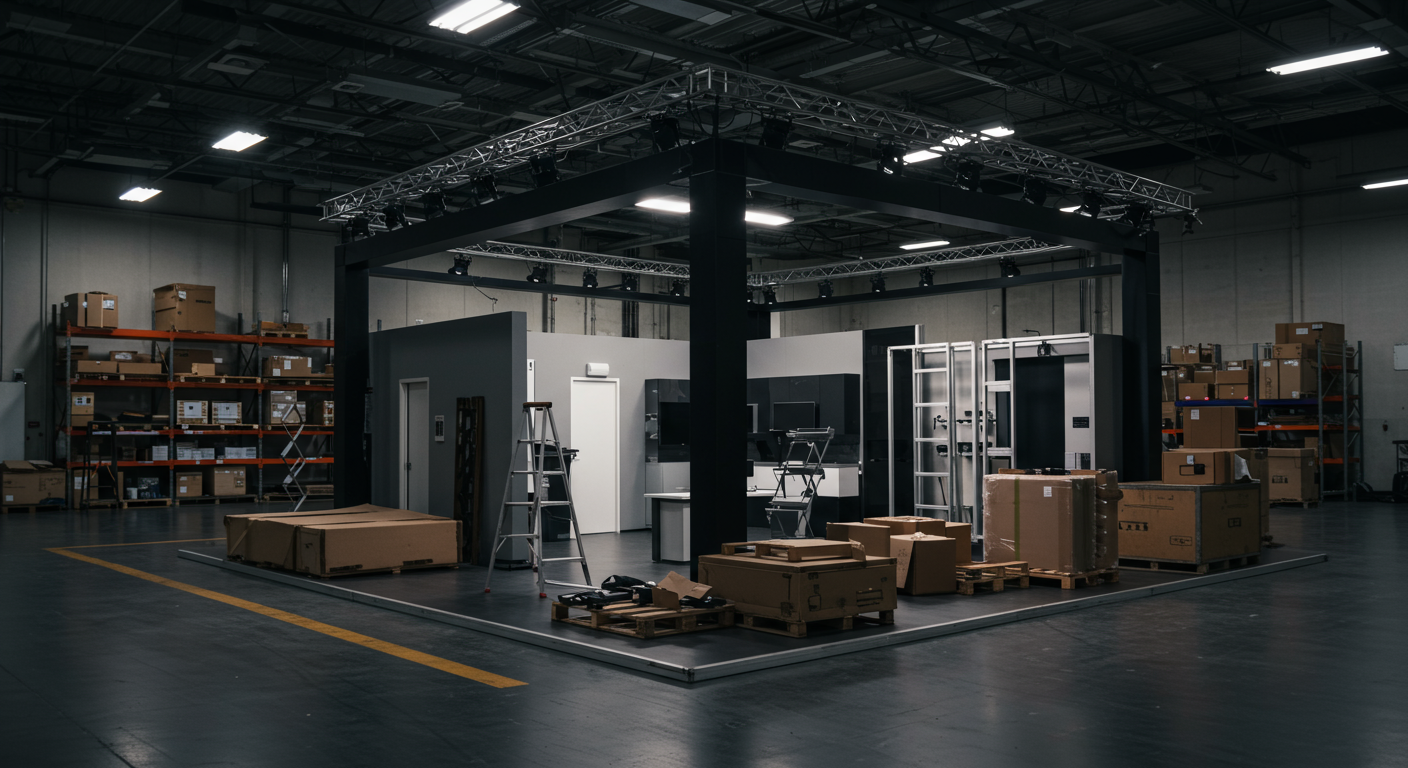
Trade show season preparation is the structured planning process that begins 12 or more weeks before a trade show, encompassing booth design, fabrication, logistics, staffing, marketing, lead capture strategy, and post-show follow-up to maximize return on the significant investment that trade show participation requires. Companies that follow a disciplined preparation timeline consistently outperform those that treat trade show readiness as a last-minute scramble.
The Cost of Poor Trade Show Preparation
Trade show participation is one of the largest line items in most B2B marketing budgets. Between booth space rental, exhibit design and fabrication, shipping and drayage, travel and accommodation, staffing, promotional materials, and lead capture technology, a single major trade show can cost $50,000 to $500,000 or more depending on booth size and market. Yet many companies squander this investment through inadequate preparation — arriving with booths that do not reflect their brand strength, staff who cannot articulate their value proposition, and no system for capturing and following up on leads.
The 12-week timeline below provides a week-by-week framework for trade show preparation that addresses every critical element. Adjust the timeline to your specific trade show calendar, compressing or extending phases as needed based on booth complexity and organizational resources.
Weeks 12–10: Strategic Foundation
Define Trade Show Objectives
Before any design or logistics work begins, define specific, measurable objectives for each trade show. Common objectives include lead generation (target a specific number of qualified leads), brand awareness (measured through booth traffic, social impressions, and press coverage), product launch (number of demonstrations completed, media placements secured), relationship development (scheduled meetings with key accounts), and competitive intelligence (structured observations of competitor positioning and offerings). These objectives directly inform booth design, staffing strategy, and budget allocation.
Audit Last Season’s Performance
Review performance data from previous shows in the same trade show or similar events. Analyze lead quality and conversion rates, booth traffic patterns, staff feedback, competitive observations, and cost-per-lead calculations. Identify what worked, what underperformed, and what operational or design changes would improve results. This analysis prevents repeating mistakes and provides a performance baseline against which to measure improvement.
Confirm Budget and Booth Space
Lock the budget early to prevent scope creep during the design phase. Categorize spending into fixed costs (booth space, show services, drayage) and variable costs (design, fabrication, travel, marketing) to understand where optimization is possible. If booth space has not been reserved, contact show management immediately — premium positions near entrances, intersections, and anchor exhibitors are assigned early. Request the exhibitor manual and review all venue-specific regulations, height restrictions, and utility ordering deadlines.
Weeks 9–7: Design and Fabrication
Develop Booth Concept and Design
Engage your exhibit design partner to develop the booth concept. The design process begins with the objectives defined in the strategic phase, the booth space dimensions and configuration (inline, peninsula, island), and the exhibitor manual’s structural constraints. Effective trade show booth design balances brand impact with functional requirements: product display, meeting space, demonstration areas, storage, and lead capture stations all compete for limited square footage.
The design must communicate the brand from a distance — attendees walking the aisles make split-second decisions about which booths to approach. Large-format graphics, dimensional signage, overhead elements, and lighting create the visual hierarchy that earns those approach decisions. At close range, the booth must deliver a professional, organized environment that facilitates meaningful conversations and product interactions.
Begin Fabrication
With approved designs and engineering drawings, trade show fabrication begins. The fabrication timeline for a custom trade show exhibit typically runs four to six weeks depending on complexity. Modular systems with interchangeable graphic panels require less fabrication time but still need production scheduling for custom elements. Monitor fabrication progress through regular updates and shop visits. The IBS Trade Show project demonstrates the level of custom fabrication that differentiates a brand on a competitive show floor — structural elements, premium finishes, and integrated technology that rental exhibits simply cannot match.
Order Show Services
Review the exhibitor manual and order all venue-provided services before early-bird deadlines, which typically offer 20 to 30 percent discounts over at-show pricing. Standard orders include electrical service (specify amperage and outlet locations), internet connectivity (hardwired for reliability), carpet or flooring, furniture rental for supplemental pieces, lead retrieval devices, and cleaning services. Create a detailed floor plan showing the exact placement of every electrical drop, data connection, and rented item.
Weeks 6–4: Content, Technology, and Marketing
Prepare Marketing Collateral and Content
Develop all printed and digital materials for the show: product sell sheets, company brochures, business cards, presentation decks, video content for booth displays, and giveaway items. All materials should align with the booth design aesthetic and reinforce the messaging hierarchy established during the design phase. For digital displays, produce content at the exact resolution and aspect ratio of the screens specified in the booth design to avoid last-minute scaling or reformatting issues.
Configure Lead Capture Technology
Select and configure lead capture systems before the show. Options range from the show-provided badge scanner to custom CRM-integrated apps that qualify leads in real time. Whichever system you choose, define the qualification criteria in advance — what information will be captured beyond contact details, what scoring system will prioritize follow-up, and how data will flow from the show floor to the sales team’s CRM within 24 hours of capture. Test the system thoroughly before deploying it to the show floor.
Launch Pre-Show Marketing
Pre-show marketing drives booth traffic from the highest-value attendees. Send targeted email campaigns to existing customers and prospects announcing your presence, booth number, and any special events or demonstrations. Schedule social media content that builds anticipation. Use the show’s promotional opportunities — exhibitor listings, sponsorships, session presentations, and advertising in show publications — to increase visibility before doors open. Schedule meetings with priority accounts in advance to ensure time with your most important contacts is secured before their calendars fill up.
Weeks 3–1: Staffing, Logistics, and Rehearsal
Train Booth Staff
Booth staffing is where many companies underinvest. Select staff based on product knowledge, communication skills, and energy level — not simply availability. Provide a structured training session covering the booth layout and traffic flow, product talking points and demonstration scripts, lead qualification criteria and capture procedures, competitive positioning and objection handling, and specific behavioral standards (no sitting, no eating, no phone use, no cluster conversations that block the booth entrance).
Assign staff to specific zones within the booth based on their strengths: your most engaging personalities at the open edges to attract traffic, technical experts in the demonstration area, and senior leaders in the meeting space. Create a shift schedule that provides adequate coverage during peak hours while preventing staff fatigue.
Finalize Shipping and Logistics
Confirm shipping dates with your fabrication partner and freight carrier. Trade show logistics require precise timing — shipments must arrive at the advance warehouse or show site within specific windows or incur additional handling fees. Prepare a detailed shipping manifest listing every crate, case, and carton with contents, dimensions, and weight. Include installation tools and hardware in the shipment rather than assuming they will be available on site. Carry one checked bag with critical items — graphic panels, presentation files, lead capture devices, and a basic tool kit — as personal luggage in case freight is delayed.
Conduct a Pre-Show Walkthrough
If geography allows, visit the fabrication shop for a final inspection of the completed booth before it ships. Verify dimensions, finishes, graphic alignment, lighting function, and overall quality against the approved renderings. Walk through the setup procedure with the installation crew to identify any potential issues. If an in-person visit is not possible, request detailed photographs and video of the assembled booth from every angle. This is the last opportunity to catch and correct issues in a shop environment where modifications are straightforward and inexpensive.
Show Week: Execution
Installation and Setup
Arrive at the venue before the load-in window opens to coordinate with your installation crew and supervise setup. Have the floor plan, electrical plot, and installation instructions printed and accessible. Monitor installation progress and maintain a punch list of any items that need correction before the show opens. Test every electrical connection, lighting fixture, display screen, and interactive element. Stock the booth with collateral, samples, giveaways, and supplies. Conduct a final cleaning and walk the booth from an attendee’s perspective, looking for any detail that undermines the professional impression.
Show Floor Operations
During the show, maintain operational discipline. Start each day with a brief team huddle reviewing objectives, key meetings, and any adjustments from the previous day’s observations. Rotate staff on regular breaks to maintain energy. Monitor lead capture in real time to track progress toward targets. Document competitor observations systematically. Host any scheduled events, demonstrations, or presentations according to the published schedule. End each day with a debrief: what leads were captured, what competitive intelligence was gathered, and what adjustments improve tomorrow’s performance.
Post-Show: Follow-Up and Analysis
Immediate Lead Follow-Up
The single most impactful post-show action is rapid lead follow-up. Within 24 to 48 hours of the show closing, every captured lead should receive personalized follow-up communication — not a generic “thanks for visiting our booth” email. Reference specific conversations, requests, or interests noted during the show interaction. Assign hot leads directly to sales representatives with context. Schedule follow-up calls and meetings within the first week while the show experience is fresh in the prospect’s memory. Companies that follow up within 48 hours close leads at significantly higher rates than those who wait a week or more.
Performance Analysis and Reporting
Compile comprehensive post-show metrics within two weeks. Calculate cost per lead, compare booth traffic to previous shows, analyze lead quality distribution across qualification tiers, and document staff and design feedback. Present findings to stakeholders with specific recommendations for the next show. Archive all production documents, vendor contacts, and operational notes in an accessible format for future reference.
Recent work like the Netflix Meadowlands trade show booth and the Keurig × Nasdaq activation reflects the in-house fabrication standards Pop Up Your Brand brings to every build.
Pop Up Your Brand supports trade show preparation across the design, fabrication, and installation phases of this 12-week timeline. With custom exhibit design capabilities and a dedicated trade show fabrication shop, PUYB delivers booth environments that compete with the largest exhibitors on any show floor. The Monday.com MP Live project exemplifies the caliber of trade show presence that a custom-fabricated exhibit achieves versus rental alternatives — a distinctive, brand-aligned environment that generated measurable results in lead generation and brand awareness on a competitive show floor.