Apr 07, 2026
How Much Does Event Fabrication Cost? (2026 Guide)
Event fabrication costs from $5K-$300K+. Detailed pricing by project type — activations, trade shows, pop-ups, scenic. Get a quote in 48hrs.
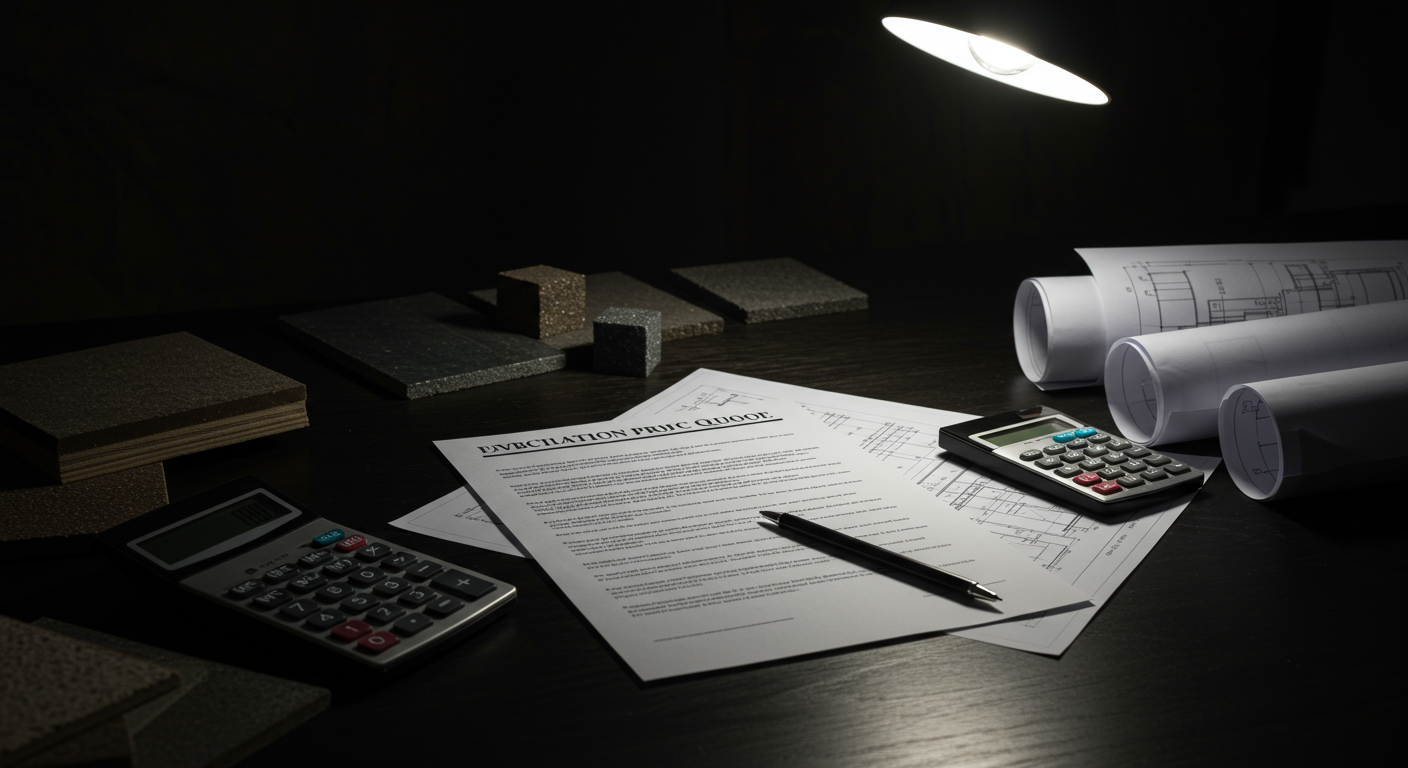
Event fabrication costs range from $5,000 for simple branded installations to over $300,000 for large-scale custom trade show exhibits and immersive brand environments. The total cost depends on project scope, materials, complexity, timeline, venue logistics, and whether the build is a one-time installation or a reusable touring asset.
No fabrication company in the experiential industry publishes transparent pricing. This guide changes that. Below are real-world cost ranges for every major project type, a detailed breakdown of what drives costs up and down, and practical strategies for managing fabrication budgets. Every price range reflects current 2026 market rates based on custom-built environments — not rental inventory or modular systems.
Event Fabrication Cost by Project Type
Costs vary significantly by project type because each category carries different requirements for materials, engineering, graphics, technology integration, and installation complexity.
Brand Activation Fabrication Costs
Brand activations are the most common fabrication project type for consumer-facing brands and their agencies. Cost ranges break down by scale:
- Single-element photo moment or product display: $5,000 – $15,000. One custom-built structure — a branded arch, oversized product replica, or interactive photo wall. Includes design, fabrication, graphics, and local delivery. Does not include on-site installation labor.
- Multi-element activation footprint: $25,000 – $75,000. Multiple structures creating a cohesive branded environment — entry arch, product stations, seating areas, branded bar, photo moment, and wayfinding. Includes design, fabrication, graphics, lighting, shipping, and installation crew.
- Full-venue brand takeover: $75,000 – $200,000+. Complete transformation of a venue or outdoor space into an immersive brand environment. Custom walls, ceiling treatments, flooring, lighting design, technology integration, custom furniture, and multi-zone experience design. Includes full project management, design, fabrication, logistics, and install/strike crew.
Pop Up Your Brand delivered the Celsius pop-up activation as a multi-element brand environment with custom fabrication, integrated lighting, and branded graphics — a representative example of mid-scale activation fabrication.
Trade Show Exhibit Fabrication Costs
Trade show fabrication costs are driven by booth size, materials, technology, and the number of show cycles the exhibit must survive:
- 10×10 inline booth (custom): $15,000 – $40,000. Custom back wall, counter, shelving, header, and branded graphics. A significant upgrade from rental or pop-up displays, with brand-specific design and premium finishes.
- 10×20 or 20×20 exhibit: $40,000 – $100,000. Multi-wall environment with meeting area, product display, storage, overhead structure, and integrated lighting. Custom flooring, AV integration, and modular reconfiguration capability add cost.
- 20×30 to 30×40 island exhibit: $100,000 – $200,000. Open-access island with multiple engagement zones, suspended overhead elements, conference rooms, product theaters, and high-end materials. Requires structural engineering for overhead loads and compliance with convention center rigging regulations.
- 40×50 and larger flagship exhibits: $200,000 – $500,000+. Architecturally significant structures with custom steel framing, multi-level platforms, extensive LED integration, private meeting suites, and presentation theaters. These exhibits function as temporary brand showrooms and often require engineering stamps and fire marshal approval.
Trade show costs also include I&D (install and dismantle) labor — typically union labor at convention centers — which adds $5,000-$30,000+ depending on booth size and venue. Drayage, electrical, and show services are billed separately by the convention center and can add 15-25% to the total budget. Pop Up Your Brand engineered and fabricated the IBS trade show exhibit as a multi-zone island configuration with custom materials and integrated product displays.
Pop-Up Shop Fabrication Costs
Pop-up shop fabrication requires retail-grade construction that looks permanent but installs and strikes quickly:
- Small pop-up (under 500 sq ft): $25,000 – $60,000. Custom fixtures, merchandise display, fitting area, POS station, and branded environment. Includes design, fabrication, graphics, and installation.
- Mid-size pop-up (500-1,500 sq ft): $60,000 – $120,000. Full retail environment with multiple zones, custom furniture, lighting design, technology integration, and complete brand immersion. May include stockroom buildout, ADA-compliant access, and HVAC coordination.
- Large pop-up or multi-market touring build: $120,000 – $250,000+. Flagship-quality retail environment engineered for touring to 3-8 markets. Modular construction, road-case packaging, and refurbishment between deployments. Per-city installation costs add $10,000-$25,000 per market.
Pop Up Your Brand fabricated the Primark Holiday Pop-Up as a retail-grade branded environment with custom fixtures, seasonal theming, and rapid install capability — demonstrating the quality standard for pop-up fabrication.
Stage and Scenic Fabrication Costs
Stage and scenic fabrication costs depend on the scale of the scenic elements and the complexity of the production:
- Scenic backdrop or branded stage wall: $8,000 – $25,000. Custom-built scenic wall with dimensional elements, branded graphics, and integrated lighting. Standard for corporate keynotes, press conferences, and product reveals.
- Custom stage set with multiple scenic elements: $30,000 – $80,000. Multi-piece scenic environment with stage deck, walls, dimensional set pieces, and lighting integration. Typical for award shows, galas, and branded entertainment events.
- Full scenic production environment: $80,000 – $200,000+. Complete stage and scenic package with custom deck, fly system-compatible scenic elements, LED integration, motorized components, and multi-scene quick-change capability. Required for television productions, concert tours, and large-scale theatrical events.
Corporate Event and Conference Fabrication Costs
Corporate events range from simple stage branding to full venue transformations:
- Registration and wayfinding environment: $10,000 – $30,000. Custom registration desk, branded check-in area, directional signage, and welcome environment.
- Keynote stage and general session branding: $25,000 – $75,000. Custom stage set, branded backdrop, speaker podiums, and screen surrounds. Includes AV coordination for LED walls and projection.
- Full conference environment: $75,000 – $200,000+. Main stage, breakout room branding, sponsor activations, networking lounge buildouts, expo hall elements, and cohesive wayfinding throughout the venue.
What Drives Event Fabrication Costs Up
Understanding cost drivers helps buyers make informed trade-off decisions. Every fabrication project involves balancing creative ambition against budget reality.
Materials and Finishes
Material selection is the largest variable in fabrication cost. Painted MDF costs a fraction of brushed aluminum. Standard vinyl graphics cost far less than backlit fabric lightboxes. Real wood veneer, metal cladding, stone-look composites, and specialty coatings like soft-touch or metallic finishes add significant material and labor cost. The visual payoff is often substantial, but buyers should understand the cost implications before designs are finalized.
Complexity and Custom Engineering
Curved surfaces cost more than flat surfaces. Cantilevered structures require more steel than self-supporting walls. Motorized or kinetic elements add mechanical engineering, hardware, and testing time. Interactive technology adds wiring, programming, and integration labor. Every additional layer of complexity increases both material and labor cost. The most cost-effective designs achieve visual impact through smart spatial design and strategic material choices rather than mechanical complexity.
Timeline Compression
Rush timelines cost more. A project that would normally take 8 weeks but must be delivered in 4 requires overtime labor, expedited material orders, and parallel production workflows that reduce shop efficiency. Expect a 15-30% premium for significantly compressed timelines. This premium is not arbitrary — it reflects real additional costs for extended shop hours, weekend crews, and rush shipping of specialty materials.
Venue Logistics and Labor
Venue access restrictions, union labor requirements, and complicated load-in logistics increase installation costs. Convention centers with mandatory union labor can double installation costs compared to private venues. High-rise installations requiring freight elevators and service corridors add time and labor. Outdoor installations requiring weather contingency plans, ground protection, and overnight security add operational complexity.
Multi-Market Touring Requirements
Builds designed for touring to multiple markets require modular engineering, durable materials, road-case packaging, and refurbishment between deployments. The initial fabrication cost is higher than a single-use build, but the per-market cost decreases with each deployment. A touring build that visits 6 markets often delivers a lower per-event cost than fabricating 6 individual one-off builds.
How to Reduce Event Fabrication Costs
Cost reduction does not require sacrificing quality. Strategic decisions made early in the design process can significantly reduce fabrication costs while maintaining creative impact.
Prioritize High-Impact Elements
Allocate budget to the elements that deliver the most visual and experiential impact: the entry moment, the hero photo opportunity, and the primary interaction zone. Secondary areas — back walls, side panels, storage enclosures — can use simpler materials and construction methods without diminishing the overall experience.
Design for Fabrication Efficiency
Designs that use standard sheet sizes (4×8 panels), minimize material waste, and avoid unnecessarily tight tolerances reduce both material and labor cost. Rectilinear shapes cut faster and assemble more efficiently than organic curves. Consistent module sizes allow batch production. A fabrication-aware designer makes these decisions automatically — another reason to choose a partner with integrated experiential design and fabrication capabilities.
Invest in Reusability
If the build will be used more than once, invest in modular engineering and durable materials upfront. The incremental cost of touring-grade construction — typically 15-25% above single-use builds — pays for itself after the second deployment. Quick-connect hardware, labeled crating, and documented assembly procedures reduce installation labor at every subsequent market.
Plan Ahead
Lead time is the most effective cost reduction tool. Projects with 10-12 weeks of lead time allow normal production scheduling, standard material procurement, and competitive shipping rates. Projects compressed to 3-4 weeks incur rush premiums that add 15-30% to total cost. Engaging a fabrication partner early — even before final designs are complete — allows preliminary budgeting, material pre-ordering, and shop scheduling that protect both timeline and budget.
Choose an All-In-House Fabrication Partner
Fabrication shops that subcontract multiple disciplines add markup at every handoff. An in-house shop that controls CNC, carpentry, metal, paint, print, and LED eliminates subcontractor margins and the schedule padding that project managers add to buffer against subcontractor delays. Pop Up Your Brand operates all six fabrication disciplines under one roof, which translates directly to cost efficiency and timeline reliability.
How to Get an Accurate Fabrication Quote
The quality of a fabrication quote depends on the quality of information provided. Detailed briefs yield accurate quotes; vague briefs yield padded estimates.
What to Include in Your Fabrication Brief
- Event details: Date, venue, location, load-in/load-out schedule, union or non-union labor, power availability.
- Design assets: Renderings, sketches, CAD files, mood boards, or reference images. Even rough concepts help fabricators estimate scope.
- Footprint and dimensions: Square footage, height restrictions, ceiling grid details, rigging point locations.
- Material preferences: Specific material requirements or finishes. If flexible, indicate that alternatives are welcome.
- Technology requirements: LED, audio, interactive elements, power distribution needs.
- Budget range: Sharing a budget range — even a broad one — helps fabricators propose solutions that deliver maximum impact within constraints.
- Reuse expectations: Whether the build is one-time, multi-event, or touring.
Pop Up Your Brand returns detailed, line-item quotes within 48 hours of receiving a complete brief. The 48-hour turnaround reflects genuine operational efficiency — not a rushed estimate, but a disciplined quoting process refined over 200+ projects. Submit your brief to receive a quote.
Hidden Costs to Budget For
Fabrication quotes cover the build, but several additional costs frequently catch first-time buyers off guard:
- Show services (trade shows): Electrical, Wi-Fi, lead retrieval, carpet, and other services ordered directly from the convention center. These can add $5,000-$25,000 depending on booth size.
- Drayage: The fee convention centers charge to move freight from the loading dock to the booth space. Charged by weight, typically $80-$150 per hundredweight (CWT).
- Permits and insurance: Temporary use permits, fire marshal inspections, and event insurance required by venues and municipalities. Budget $1,000-$5,000 depending on jurisdiction.
- Staffing: Brand ambassadors, product specialists, and event managers are separate from fabrication and installation crews.
- Storage: Monthly storage fees for reusable builds between events. Typically $500-$2,000/month depending on volume and location.
- Refurbishment: Touch-up painting, graphic replacement, and hardware inspection between touring deployments. Budget 5-10% of original fabrication cost per refurbishment cycle.
Comparing Fabrication Cost Approaches
Three main approaches to event environments offer different cost-quality trade-offs:
Custom Fabrication
Built from scratch to match a specific creative vision. Highest cost, highest impact, maximum brand differentiation. Appropriate for flagship activations, major trade shows, and campaigns where the physical environment is a core brand asset.
Modular Systems
Pre-engineered structural systems (aluminum extrusion, tension fabric, magnetic panels) that reconfigure for different footprints. Moderate cost, good flexibility, limited design uniqueness. Appropriate for brands with busy show calendars and consistent branding across events. Custom graphics and lighting can significantly elevate modular systems above commodity appearance.
Rental Inventory
Pre-built furniture, walls, counters, and structures rented from event production companies. Lowest cost, fastest turnaround, minimal brand customization. Appropriate for corporate events, galas, and situations where brand environment is secondary to programming content.
Most brands use a combination: custom fabrication for hero elements and high-visibility touchpoints, modular systems for reconfigurable structures, and rental inventory for support furnishings. The right fabrication partner helps navigate these trade-offs to maximize impact within budget.
Key Takeaways on Event Fabrication Costs
Event fabrication is an investment in physical brand experience. Costs range from $5,000 for simple elements to $300,000+ for flagship builds, with the majority of brand activations and trade show exhibits falling in the $25,000-$150,000 range. Cost drivers include materials, complexity, timeline, venue logistics, and whether the build is single-use or touring.
The most effective cost management strategy is engaging an all-in-house fabrication partner early, providing a detailed creative brief, and making design decisions with fabrication efficiency in mind. Pop Up Your Brand offers 48-hour quotes with transparent, line-item pricing — submit your brief to get started.
Frequently Asked Questions About Event Fabrication Costs
Custom trade show booth fabrication costs range from $15,000 for a 10×10 inline booth to $200,000-$500,000+ for large island exhibits (40×50 and above). The primary cost drivers are booth size, material selection, technology integration, overhead structural elements, and the number of show cycles the exhibit must survive. Additional costs for I&D labor, drayage, and show services typically add 15-25% to the fabrication budget.
Brand activation fabrication costs range from $5,000-$15,000 for single-element photo moments to $75,000-$200,000+ for full-venue brand takeovers. Mid-scale multi-element activations — the most common project type — typically cost $25,000-$75,000 including design, fabrication, graphics, lighting, shipping, and installation. Costs increase with interactive technology, premium materials, and multi-market touring requirements.
Event fabrication requires skilled tradespeople across multiple disciplines: CNC operators, scenic carpenters, welders, scenic painters, print technicians, and electricians. Every project is custom-engineered for a specific creative vision and venue. Materials must meet fire code, structural load, and aesthetic requirements. Timelines are compressed compared to commercial construction. The combination of custom manufacturing, specialized labor, and deadline-driven delivery drives costs above commodity construction but below permanent architectural buildouts.
Five proven strategies reduce fabrication costs: (1) plan early to avoid rush premiums that add 15-30%; (2) prioritize budget on high-impact elements visible to attendees; (3) design for standard sheet sizes and fabrication efficiency; (4) invest in reusable, modular construction for multi-event campaigns; (5) choose an all-in-house fabrication partner that eliminates subcontractor markups and schedule padding. These strategies can reduce total project cost by 15-30% without compromising the attendee experience.
Industry-standard quote turnaround ranges from 5 to 15 business days. Pop Up Your Brand delivers detailed, line-item quotes within 48 hours of receiving a complete brief. The 48-hour turnaround reflects a disciplined quoting process and deep fabrication expertise — not a rushed estimate. Faster quotes enable faster decision-making, which protects project timelines and keeps more options on the table for design and material selection.
Get a detailed quote in 48 hours.
Send us your brief, renders, or napkin sketch. Line-item pricing, no surprises.
Request a Quote