Apr 09, 2026
How to Plan a Brand Activation: Step-by-Step
Plan a brand activation in 8 steps — from brief and concept through fabrication, install, and measurement. Expert guide with timelines and budgets.
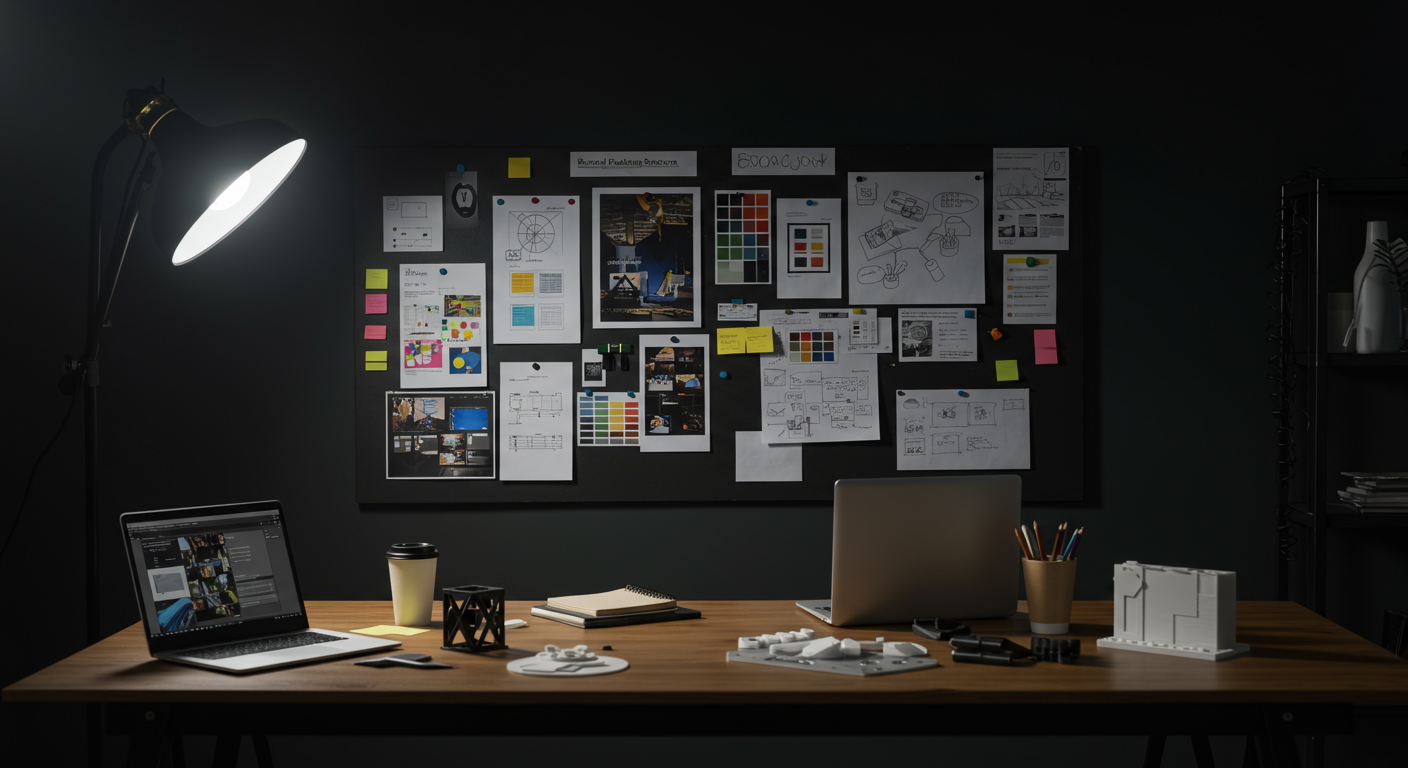
Planning a brand activation requires defining campaign objectives, selecting a venue, developing a creative concept, budgeting for fabrication and production, and coordinating logistics from load-in to strike. A successful activation connects a brand directly with its target audience through an immersive, interactive physical experience that generates measurable engagement and social amplification.
Brand activations have become the highest-ROI channel in experiential marketing because they create direct, memorable connections between consumers and brands. Unlike digital advertising, a well-executed activation engages all five senses, generates organic social content, and builds emotional associations that persist long after the event ends. This step-by-step guide covers every phase of planning — from initial strategy through post-event measurement.
Step 1: Define Your Activation Objectives and KPIs
Every brand activation must start with clear, measurable objectives. Without defined goals, creative decisions become arbitrary and post-event evaluation becomes impossible. Common activation objectives include:
- Brand awareness: Introduce a brand to a new audience or market. KPIs: foot traffic, social impressions, earned media placements, unique reach.
- Product trial and sampling: Put a product directly in consumers’ hands. KPIs: samples distributed, product demonstrations completed, purchase intent surveys.
- Social amplification: Create share-worthy moments that extend reach beyond the physical audience. KPIs: social posts with brand hashtag, user-generated content volume, engagement rate.
- Lead generation: Capture qualified contact information for sales follow-up. KPIs: leads captured, email opt-ins, demo requests, scan-to-learn interactions.
- Community building: Strengthen relationships with existing customers or brand advocates. KPIs: repeat attendance, community sign-ups, NPS scores.
- Sales conversion: Drive direct purchases at the event or within an attribution window. KPIs: on-site revenue, promo code redemptions, post-event purchase rate.
Most activations target 2-3 primary objectives. Trying to optimize for everything dilutes the experience and makes creative decisions more difficult. Select primary KPIs before any design work begins and ensure every stakeholder agrees on what success looks like.
Step 2: Identify Your Target Audience
Activation design depends entirely on who the experience is for. A brand activation targeting Gen Z consumers at a music festival requires fundamentally different design, technology, and engagement mechanics than one targeting C-suite executives at a business conference.
Audience Research for Activation Design
Define your target audience along these dimensions:
- Demographics: Age, gender, income, education, occupation.
- Psychographics: Values, interests, lifestyle, social media behavior.
- Brand relationship: New prospects, existing customers, lapsed customers, brand advocates.
- Context: Where will they encounter the activation? Are they shopping, attending an event, commuting, or specifically seeking brand experiences?
- Dwell time: How long will they engage? Street-level activations get 30-90 seconds. Festival activations get 5-15 minutes. Dedicated pop-up shops get 15-45 minutes.
This audience profile directly informs creative decisions: interactive vs. observational elements, technology integration level, physical accessibility requirements, and the type of takeaway or incentive that motivates engagement.
Step 3: Set Your Activation Budget
Brand activation budgets must account for every cost category — not just fabrication. A common budgeting mistake is allocating the entire budget to the build and discovering that venue rental, staffing, and permitting consume another 40-60% of the total investment.
Budget Category Breakdown
- Venue rental: 15-25% of total budget. Ranges from $0 (owned property, festival inclusion) to $50,000+ (premium retail locations in Manhattan, LA, or Miami).
- Design and fabrication: 30-45% of total budget. The physical build: concept design, 3D rendering, event fabrication, graphics production, and material costs.
- Shipping and logistics: 5-10% of total budget. Freight, drayage, rigging, and equipment rental.
- Installation and strike: 8-15% of total budget. Install crew labor, equipment, and on-site project management.
- Technology: 5-15% of total budget. Interactive elements, LED displays, audio systems, Wi-Fi infrastructure, and content management.
- Staffing: 10-20% of total budget. Brand ambassadors, product specialists, security, and event managers.
- Permitting and insurance: 2-5% of total budget. Temporary use permits, fire marshal inspections, event liability insurance.
- Marketing and promotion: 5-10% of total budget. Pre-event marketing, social media, influencer partnerships, and PR support.
- Contingency: 5-10% of total budget. Essential for absorbing unexpected costs — venue changes, weather contingencies, last-minute creative revisions.
For reference, a mid-scale brand activation in New York City with custom fabrication, professional staffing, and multi-day operation typically requires a total budget of $75,000-$200,000. The fabrication component within that total typically represents $25,000-$75,000. See the full cost breakdown in the event fabrication cost guide.
Step 4: Select Your Venue
Venue selection is one of the most consequential planning decisions because it constrains every subsequent choice: footprint dimensions, ceiling height, load-in access, power availability, permitting requirements, and audience demographics.
Venue Types for Brand Activations
- Retail storefronts: High foot traffic, built-in shopping context, retail-grade infrastructure. Premium pricing in major markets. Ideal for pop-up shops and product launch activations.
- Event spaces and galleries: Flexible blank-canvas environments designed for temporary installations. Good load-in access and adaptable infrastructure. Available in most major markets.
- Outdoor spaces: Parks, plazas, parking lots, and rooftops. Maximum visibility and foot traffic but weather-dependent. Require tenting, generators, and extensive permitting.
- Festival and event integration: Activations within existing events (music festivals, food festivals, sporting events). Built-in audience but shared attention. Require compliance with host event’s branding and construction guidelines.
- Non-traditional venues: Warehouses, parking garages, vacant lots, and unconventional spaces that generate intrigue. Often require significant infrastructure buildout (power, HVAC, restrooms, ADA access) but offer unique brand storytelling opportunities.
Venue Evaluation Checklist
Before signing a venue contract, confirm these logistics:
- Floor plan dimensions and ceiling height clearance
- Load-in door dimensions and freight elevator capacity
- Available electrical power (amperage, circuit distribution)
- HVAC capacity for expected occupancy
- ADA accessibility compliance
- Fire marshal capacity limits and egress requirements
- Noise restrictions and operating hours
- Insurance requirements and liability allocation
- Permitting jurisdiction and timeline
- Neighboring tenant restrictions (particularly in retail environments)
Step 5: Develop the Creative Concept
The creative concept translates brand objectives into a physical experience. Effective activation concepts share three characteristics: they are architecturally impactful (stopping power), interactively engaging (dwell time), and socially shareable (amplification beyond the venue).
The Hero Moment Framework
Every activation needs at least one “hero moment” — a visually striking, photographable element that anchors the experience and drives social sharing. The hero moment should be:
- Visually distinctive: Immediately recognizable as different from the surrounding environment. Oversized elements, bold color, dramatic lighting, and unexpected materials create stopping power.
- Brand-integrated: The hero moment must communicate brand identity without requiring explanation. Logo placement alone is insufficient — the design language, color palette, and spatial experience should feel authentically connected to the brand.
- Photo-optimized: Designed for the smartphone camera. Consider lighting angles, background depth, human scale proportions, and the natural positions where visitors will stand to take photos. The brand should be visible in photos without being obtrusive.
Experience Flow Design
Multi-element activations require intentional crowd flow design. Map the visitor journey from entry to exit:
- Attraction zone: The exterior-facing element that stops foot traffic and draws people in. Large-scale hero moment, sound, scent, or activity visible from a distance.
- Orientation zone: The transition from public space to brand space. Welcome messaging, brand context, and experience instructions.
- Engagement zone: The core interactive experience. Product trial, technology interaction, personalization station, or immersive environment.
- Capture zone: Data collection touchpoint. Email opt-in, social follow, QR code scan, or survey completion. Positioned after engagement when enthusiasm is highest.
- Share zone: Dedicated photo moment with brand-integrated backdrop. Lighting optimized for smartphone cameras. Hashtag and social handle visible but not dominant.
- Exit zone: Takeaway distribution, product gifting, or incentive delivery. Final brand impression and call to action.
Step 6: Design and Engineer the Build
Once the creative concept is approved, the fabrication partner translates it into a buildable design with detailed engineering drawings, 3D renderings, and material specifications.
Design Development Process
Professional experiential design follows a structured development process:
- Concept sketches: Rough spatial layouts and visual direction. Multiple options presented for client review.
- Design development: Selected concept refined with specific materials, dimensions, and technical details. Includes plan views, elevations, and perspective renderings.
- 3D visualization: Photorealistic renderings showing the finished environment with materials, lighting, graphics, and human-scale context. These renderings serve as the creative approval document and the fabrication reference.
- Fabrication drawings: Detailed engineering drawings specifying structural connections, material thicknesses, hardware, wiring paths, and assembly sequences. These are the shop drawings that the fabrication team builds from.
- Graphic production files: Print-ready artwork for all branded surfaces, prepared at correct scale, resolution, and color profile for the specific print substrate.
When design and fabrication happen within the same organization, this process moves faster and produces better results because designers understand manufacturing constraints in real time. Designs are inherently buildable, and engineering feedback loops are immediate rather than delayed by inter-company communication.
Step 7: Manage Fabrication and Production
During the fabrication phase, the build moves from digital design to physical reality. Effective project management during this phase keeps the project on budget and on schedule.
Key Fabrication Milestones
- Material procurement: Specialty materials (specific wood species, custom metalwork, specialty substrates) may have 2-4 week lead times. Early ordering prevents schedule delays.
- CNC programming and cutting: Digital files are translated into cutting programs. Complex projects may require multiple rounds of CNC work as components move through the shop.
- Assembly and finishing: Structural assembly, surface preparation, scenic painting, and graphic application. This is typically the longest phase.
- Pre-build and quality check: Full or partial assembly in the shop to verify fit, finish, and functionality. Critical for complex builds and mandatory for touring installations.
- Technology integration and testing: LED installation, interactive system programming, and full system testing in the shop environment.
- Packing and shipping: Components are labeled, packed, and loaded for transport to the venue.
Throughout fabrication, maintain regular communication with your fabrication partner. Weekly progress updates with photos should be standard. Any design changes after fabrication begins will add cost and time — the earlier changes are caught, the less expensive they are to implement. Pop Up Your Brand maintains client communication throughout production and invites shop visits during the pre-build phase.
Step 8: Execute Installation and On-Site Management
Installation is where months of planning meet reality. Successful installation requires detailed advance planning, experienced crew, and the flexibility to solve unexpected problems.
Installation Planning Checklist
- Confirm load-in schedule with venue (date, time, duration, dock access)
- Coordinate with other vendors sharing the load-in window
- Arrange necessary equipment (forklifts, scissor lifts, rigging points)
- Confirm crew size and labor classification (union requirements at convention centers)
- Prepare installation documentation: assembly drawings, graphic placement guides, lighting diagrams
- Bring contingency materials: extra paint, backup hardware, repair supplies, spare graphics
- Schedule fire marshal inspection if required
- Coordinate AV and technology installation with media vendors
- Plan on-site client walkthrough before event opens
Common Installation Challenges
Even perfectly planned installations encounter on-site challenges. Experienced fabrication crews anticipate and resolve:
- Venue dimensions differ from floor plans: Columns, vents, electrical panels, and structural elements that are not shown on venue drawings. Professional crews carry extra materials and tools to field-modify components.
- Timing conflicts: Other vendors, venue staff, or building operations that delay access or create workspace conflicts. Clear communication and a documented load-in schedule with all parties prevents most conflicts.
- Power limitations: Insufficient circuits, incorrect voltage, or panel locations that require long cable runs. Advance site surveys and direct communication with venue electricians prevent opening-day power failures.
Step 9: Staff and Operate the Activation
The physical environment is only as effective as the team operating it. Brand ambassador staffing, visitor flow management, and real-time optimization determine whether a beautifully fabricated space achieves its engagement objectives.
Staffing Considerations
- Brand ambassadors: Trained representatives who embody the brand personality and guide visitors through the experience. Staff-to-visitor ratio depends on the complexity of the interaction — simple sampling requires fewer staff than guided product demonstrations.
- Technical operators: Staff responsible for interactive technology, AV systems, and content management. Required for any activation with digital touchpoints.
- Security and crowd management: Essential for high-traffic activations, outdoor events, and installations with valuable products or equipment.
- Event managers: On-site project leads responsible for schedule adherence, vendor coordination, incident response, and real-time decision-making.
Step 10: Measure Results and Document Learnings
Post-event measurement against pre-defined KPIs is essential for justifying activation investment and improving future executions.
Measurement Framework
- Foot traffic and dwell time: Physical counters, mobile device tracking, or manual sampling. Measures reach and engagement depth.
- Social metrics: Hashtag usage, user-generated content volume, social impressions, and engagement rates. Measure amplification beyond physical attendance.
- Lead capture: Email opt-ins, QR code scans, app downloads, and contact form submissions. Measure conversion intent.
- Sales impact: On-site revenue, promo code redemptions, and attributed post-event purchases. Measure direct ROI.
- Earned media: Press coverage, blog mentions, and influencer posts. Measure third-party amplification.
- Qualitative feedback: On-site surveys, social sentiment analysis, and stakeholder debrief notes. Measure experience quality.
Document everything: photography, videography, metrics, timelines, costs, vendor performance, and lessons learned. This documentation becomes the foundation for future activation planning and the evidence base for budget approval.
Brand Activation Planning Timeline
For a mid-scale brand activation with custom fabrication, plan the following timeline from event date backward:
- 12-16 weeks out: Define objectives, set budget, begin venue search, issue fabrication RFP.
- 10-12 weeks out: Select venue, select fabrication partner, begin creative concept development.
- 8-10 weeks out: Approve creative concept, begin design engineering and 3D renderings.
- 6-8 weeks out: Approve final designs, begin fabrication. Order specialty materials. Finalize staffing plan.
- 4-6 weeks out: Fabrication in progress. Approve graphic proofs. Finalize technology integration. Begin pre-event marketing.
- 2-4 weeks out: Pre-build and quality check in fabrication shop. Ship to venue. Finalize installation schedule.
- 1 week out: Load-in and installation. Technology testing. Staff training. Fire marshal inspection.
- Event day: Final walkthrough, operations management, real-time optimization.
- Post-event: Strike, documentation, measurement, debrief.
Pop Up Your Brand has executed this planning process across 200+ brand activation projects with zero missed open dates. The company’s 48-hour quote turnaround and all-in-house fabrication pipeline compress the vendor selection and fabrication phases, giving brands and agencies more time for creative development and audience strategy.
Recent work like the Celsius Pop-Up and the Delilah × Hwood Group activation reflects the in-house fabrication standards Pop Up Your Brand brings to every build.
Ready to start planning your next activation? Get in touch for a consultation and quote within 48 hours.
Frequently Asked Questions About Planning Brand Activations
Brand activation planning should begin 12-16 weeks before the event date for mid-scale custom builds. This timeline accommodates venue selection, creative development, design engineering, fabrication, and logistics coordination. Simpler activations can be executed in 6-8 weeks. Complex multi-market touring activations may require 16-20 weeks. Engaging a fabrication partner early — even before final creative approval — allows preliminary budgeting and shop scheduling that protect the overall timeline.
Mid-scale brand activations with custom fabrication, professional staffing, and multi-day operation typically require $75,000-$200,000 in total budget. The fabrication component represents 30-45% of total cost, with the remainder covering venue rental, staffing, technology, logistics, permitting, and marketing. Simple single-element activations can be executed for $15,000-$30,000 total, while large-scale flagship activations exceed $300,000.
Brand activation ROI is measured against pre-defined KPIs established before the event. Common metrics include foot traffic and dwell time (physical engagement), social impressions and user-generated content volume (amplification), leads captured and email opt-ins (conversion), on-site revenue and promo code redemptions (direct sales), and earned media coverage (third-party validation). The most rigorous ROI calculations combine multiple metrics into a cost-per-engagement or cost-per-impression figure comparable to digital advertising benchmarks.
Separate design and fabrication vendors create communication gaps, timeline delays, and budget overruns from redesign cycles. Integrated design-fabrication partners produce inherently buildable concepts because designers understand manufacturing constraints in real time. The feedback loop between creative vision and engineering reality is immediate rather than mediated through emails and change orders. For most brand activations, an integrated partner delivers better results, faster timelines, and lower total cost.
Plan your activation with a team that delivers.
200+ projects. Zero missed opens. 48-hour quotes. All in-house fabrication.
Start Planning