Feb 09, 2026
Event Fabrication Materials Guide: Wood, Metal, Acrylic & More
Complete guide to event fabrication materials — wood, metal, acrylic, foam, fabric, and composites. Properties, costs, and best uses.
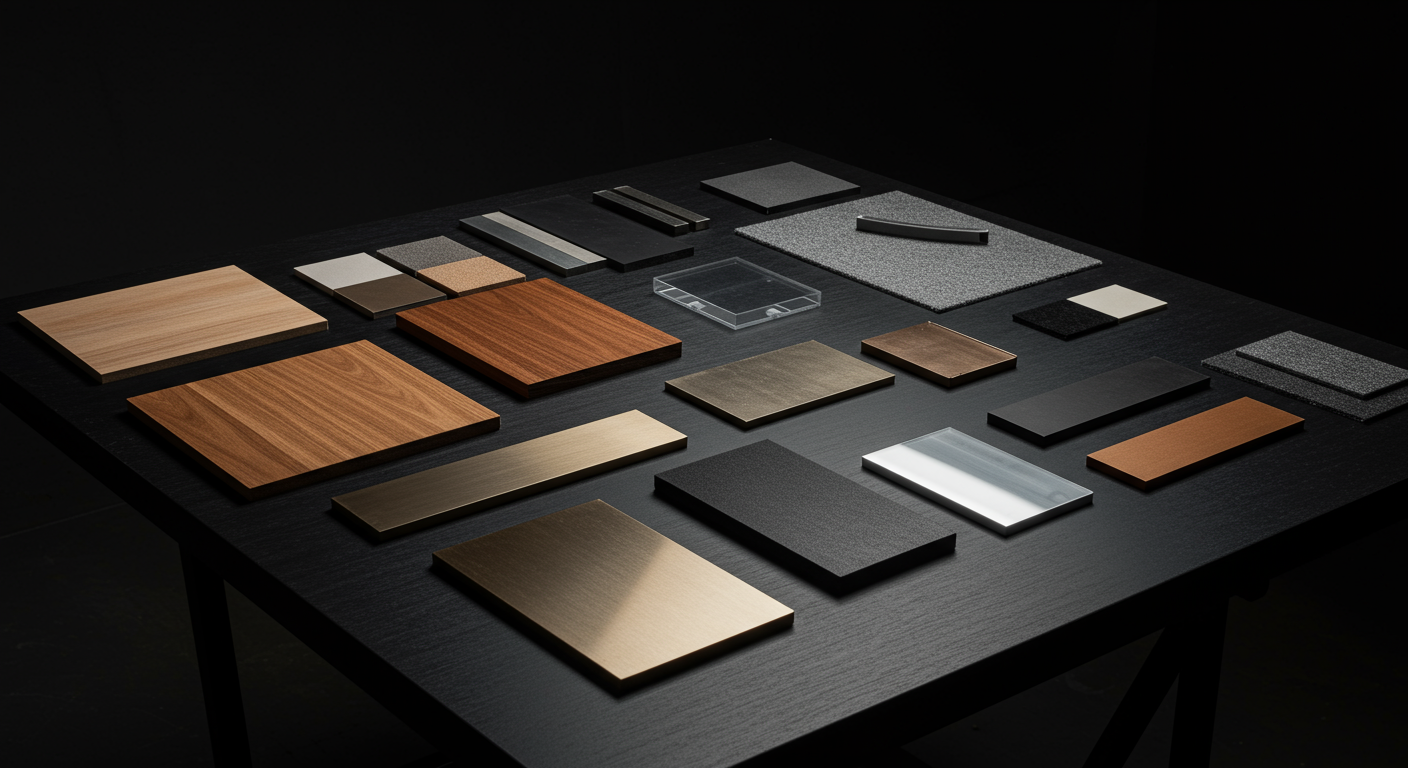
Event fabrication materials encompass the full range of substrates, metals, plastics, foams, and finishing products used to construct custom physical structures for live brand experiences. Material selection directly impacts build quality, timeline, weight, durability, cost, and visual finish — making it one of the most consequential decisions in any fabrication project.
Wood
Wood remains the backbone of event fabrication, used for structural framing, wall systems, counters, and fixtures.
- Plywood — the workhorse. Strong, lightweight, takes paint and veneer well. Used for walls, platforms, and structural panels. Baltic birch for premium visible edges.
- MDF (Medium Density Fiberboard) — smooth surface ideal for CNC routing and scenic painting. Heavier than plywood. Best for dimensional signage and decorative panels.
- Hardwoods — oak, walnut, maple for premium fixtures and hospitality installations where real wood grain is required.
Scenic carpentry at PUYB handles all wood construction in-house — from structural framing to furniture-grade finishing.
Metals
- Steel — strongest option for load-bearing structures, trusses, and frames. Heavy. Requires welding and typically gets painted or powder-coated.
- Aluminum — lighter than steel, corrosion-resistant. Ideal for trade show exhibits, hanging signs, and touring builds where weight matters.
- Stainless steel — premium finish, corrosion-proof. Used for hospitality builds, bars, and permanent installations.
Metal fabrication and welding capabilities include TIG and MIG welding for both structural and decorative metalwork.
Plastics
- Acrylic — clear or colored, excellent for backlit panels, signage, and display cases. CNC-routable. Scratches more easily than glass but far lighter.
- Polycarbonate — impact-resistant alternative to acrylic. Used where durability is critical.
- HDPE — durable, moisture-resistant. Good for outdoor builds and surfaces that need frequent cleaning.
- PVC/Sintra — lightweight rigid board for temporary signage and display panels.
Foam
- EPS (Expanded Polystyrene) — lightweight, CNC-cuttable into large sculptural shapes. Coated with hard shell for durability. Cost-effective for dimensional elements.
- Polyurethane foam — denser than EPS, better surface quality. Used for detailed sculptural work and prop fabrication.
Fabric & Soft Materials
- Tension fabric (dye-sublimation printed) — lightweight, wrinkle-resistant graphics stretched over aluminum frames. The standard for trade show graphics and backlit displays.
- Vinyl — adhesive-backed for wrapping surfaces, floor graphics, and wall murals.
- Canvas and muslin — traditional scenic painting substrates for theatrical backdrops.
Finishing Materials
- Scenic paint — brand color matching, faux finishes, patina effects
- Powder coating — durable metal finish for permanent installations
- Laminate and veneer — surface treatments for wood elements
- Vinyl wrap — full-surface graphic application
At Pop Up Your Brand, all finishing happens in-house — from scenic painting to large format printing — with zero outsourcing. The project shown in our TAO Group x Moxy Hotel case study demonstrates commercial-grade material selection for permanent hospitality scenic.
Material Selection Factors
- Indoor vs outdoor — outdoor builds need UV-resistant, moisture-stable materials
- Temporary vs permanent — permanent installs require commercial-grade durability
- Weight — touring builds and hanging elements need lightweight materials
- Fire rating — most venues require flame-retardant materials and certificates
- Budget — material substitutions can save 20-30% without visible quality loss when specified correctly
Frequently Asked Questions
Event fabrication materials include wood (plywood, MDF, hardwoods), metals (steel, aluminum, stainless), plastics (acrylic, polycarbonate, HDPE), foam (EPS, polyurethane), fabric (tension fabric, vinyl, canvas), and finishing materials (scenic paint, powder coating, laminate, vinyl wrap). Selection depends on indoor/outdoor use, durability requirements, weight limits, and budget.
Plywood and MDF are the most cost-effective structural materials, with EPS foam being the cheapest option for large dimensional elements. PVC/Sintra board is the most affordable rigid signage substrate. Material substitution strategies specified by experienced fabricators can reduce costs 20-30% without visible quality loss.
Most event venues and convention centers require flame-retardant materials with certification documentation. Materials can be treated with fire-retardant coatings after fabrication, or inherently flame-retardant substrates can be specified during the engineering phase. Fire marshal inspection is standard at major venues.
Let's build something worth talking about.
Quote in 48 hours. Zero missed open dates.
Start Your Project