Jun 08, 2026
Silicone Edge Graphics: An SEG Booth Wall Fabrication Guide
Silicone edge graphics explained: how SEG aluminum frames and dye-sub fabric create seamless, backlit trade show booth walls, plus specs, lead times and cost.
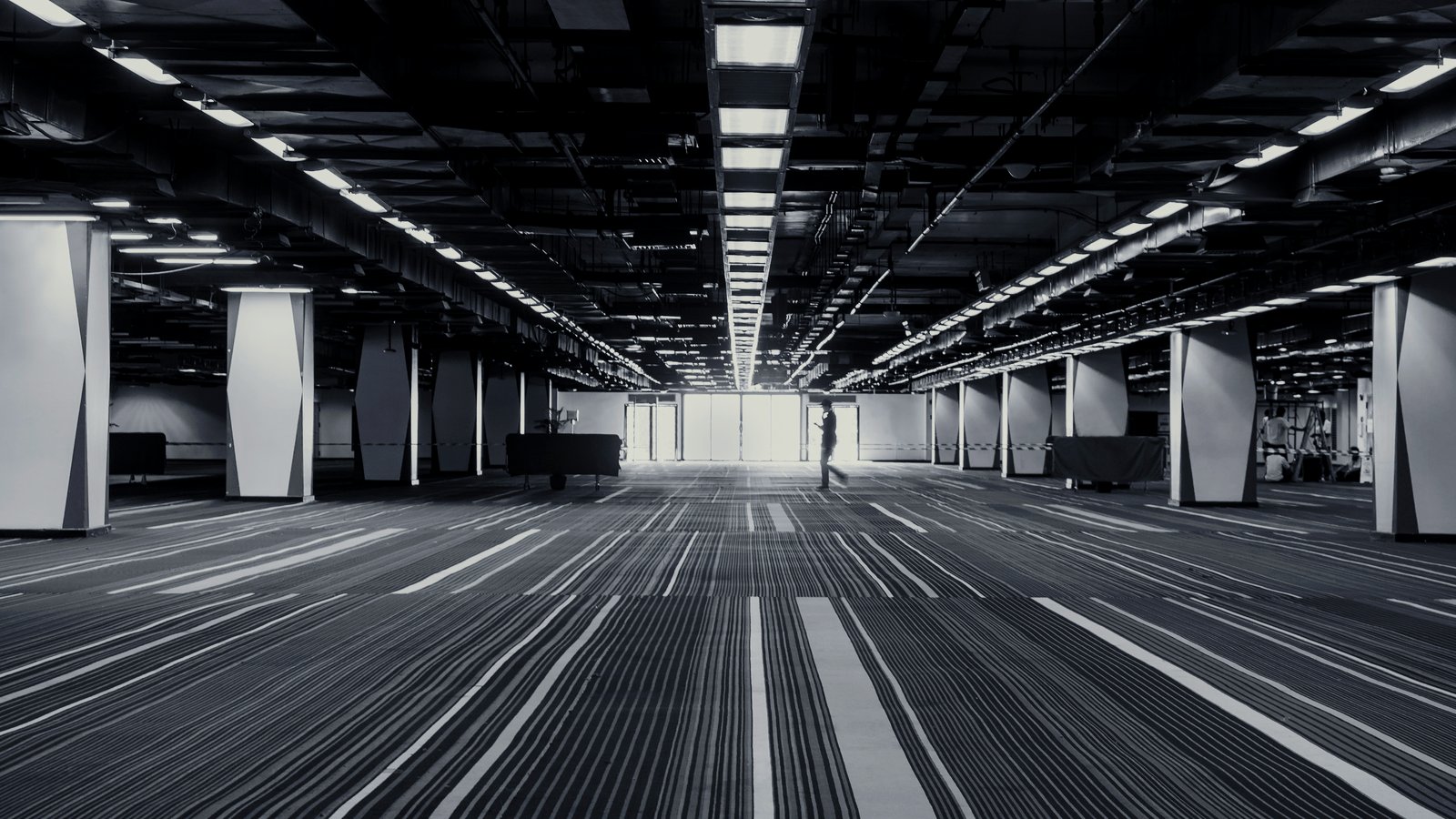
Walk any major show floor at the Javits Center and you can spot the difference from thirty feet away. Some booth walls read as a single, seamless plane of color and image — edge to edge, no hardware, no visible seams, no rippling vinyl. Others look like a collage of panels bolted together. The first kind is almost always built on silicone edge graphics, or SEG: tensioned dye-sublimated fabric pulled taut inside an extruded aluminum frame. It has quietly become the default skin for modern exhibits, and for good reason. When we spec a booth in our trade show fabrication shop, SEG is usually the first system on the table.
This guide breaks down what SEG actually is, how the frames and fabric are built, where it beats rigid graphics, and where it doesn’t. If you produce trade show booths, brand environments, or retail builds and you’ve been handed a quote with “SEG” line items you don’t fully understand, this is the explainer we wish more vendors handed their clients.
What Silicone Edge Graphics Actually Are
SEG is a graphic system, not a single product. It has two halves: an aluminum extrusion frame with a continuous channel routed around its inner edge, and a printed fabric panel with a thin silicone bead — a “gasket” — sewn into the perimeter. The bead is pressed into the channel by hand, like a screen door spline, and the tension across the fabric pulls every wrinkle out. The result is a flat, drum-tight graphic with no mechanical fasteners visible anywhere on the face.
The “silicone edge” is the whole trick. Older fabric systems used pole pockets, Velcro, or zippers, all of which left visible hardware or sagged over a multi-day show. The silicone gasket sits below the surface of the frame, so the printed face floats right to the edge. That edge-to-edge quality is why SEG photographs so cleanly and why it has spread from trade shows into retail, lobbies, museums, and the kind of multi-room brand environments we build through our experiential design practice.
SEG vs. Traditional Booth Graphics
The honest comparison is against the two systems SEG replaced: direct-print rigid panels (think printed Sintra, PVC, or dibond) and older tension-fabric systems with pole pockets. Each still has a place, but the trade-offs are real.
| Factor | SEG Fabric | Rigid Direct-Print | Pole-Pocket Fabric |
|---|---|---|---|
| Seam visibility | None (edge-to-edge) | Visible panel joints | Visible pocket hem |
| Reprint cost | Low — fabric only | High — full panel | Low |
| Packed volume | Very low (folds) | High (flat, rigid) | Very low |
| Backlighting | Excellent | Poor | Fair |
| Durability of face | Wrinkle-prone if mishandled | Scratch-prone, rigid | Saggy over time |
| Reusability | High — swap fabric, keep frame | Low | Moderate |
The line that matters most to repeat exhibitors is reprint cost. Because the aluminum frame is the durable asset and the fabric is the consumable, a brand can refresh its entire booth graphic for a new campaign by shipping a folded fabric set — no new structure, no crating a wall of rigid panels. That economics is central to how we advise clients on long-term booth reuse, and it pairs directly with the storage-and-reuse strategy a properly designed program depends on.
The Anatomy of an SEG Frame
SEG extrusions are specified by profile depth, and depth is not cosmetic — it determines what the frame can do. The common families on a North American show floor run roughly as follows:
- 15–19mm profiles: Thin wall-mounted or hanging frames, single-sided, no internal lighting. Good for a graphic that lays against a hard wall.
- 32mm profiles: The workhorse. Freestanding single- or double-sided walls, deep enough to add edge LED for an even backlit glow.
- 50–100mm profiles: Lightboxes and large backlit features where the depth is needed to diffuse LED evenly across a big face without hot spots.
- 120mm+ structural profiles: Self-supporting towers, arches, and freestanding rooms where the extrusion carries real load, not just fabric tension.
The deeper the frame, the more it can do, but depth also drives weight, packed size, and rigging considerations. A 100mm double-sided backlit tower is a different structural animal than a 32mm wall, and it gets engineered as such. When SEG features get tall or hang overhead, they cross into the same load-path and rigging review we apply to any stage and scenic fabrication build — fabric tension is forgiving, but gravity is not.
Printing for SEG: Dye-Sublimation and Fabric Specs
SEG fabric is almost always printed by dye-sublimation. The image is printed onto transfer paper, then heat-pressed at roughly 400°F so the dye gasses into the polyester fibers rather than sitting on top of them. Because the color becomes part of the fiber, the print is soft, washable, and won’t crack when the fabric is folded for shipping. That is the property that makes the whole system packable.
Front-lit vs. backlit fabric
Fabric weight is chosen for the lighting plan. A standard front-lit graphic runs a lighter polyester knit, typically 180–220 gsm. A backlit graphic needs a heavier, tighter blockout-backed fabric — often 250–320 gsm with a gray or black blocker layer — so light passes through the printed face evenly without revealing the LED bars behind it. Specifying a front-lit fabric for a backlit frame is one of the most common ordering mistakes, and it shows up as visible striping the moment the lights come on.
Color management matters more on fabric than on rigid stock. Dye-sub on polyester has a different gamut than the same file printed on vinyl, so a disciplined shop proofs to the exact fabric being used, not a generic swatch. We treat brand-critical color the same way across every medium, whether it’s a booth wall or a custom environment built through our brand activations team.
Lighting SEG: Where It Outclasses Everything Else
The single biggest reason SEG took over the show floor is backlighting. Drop edge-lit LED bars into a 32mm or deeper frame, pull a blockout fabric across the front, and you get a glowing wall with zero visible light source — a lightbox the size of an entire booth side. On a crowded floor under flat convention-center fluorescents, a backlit SEG wall reads as the brightest object in the aisle.
The engineering detail that separates a clean lightbox from a blotchy one is LED spacing relative to frame depth. Too shallow a frame with too few diodes produces hot spots and dark bands; the right ratio of depth, diode density, and diffuser produces an even field. This is the same lighting discipline we bring to fully immersive production environments, where uneven illumination breaks the illusion instantly. For exhibitors weighing whether to invest in backlighting, the answer is almost always yes for a hero wall and no for secondary panels — concentrate the glow where the eye lands first.
Where SEG Wins on the Show Floor
SEG isn’t only for trade show booths. Because the system is modular, packable, and seamless, it has become a default for any environment that needs a large, clean graphic surface on a schedule. A few build types where it consistently earns its place:
- Exhibit walls and towers — the original use case, and still where the volume is. Our Netflix booth at the Meadowlands leaned on large seamless graphic planes to hold the brand at scale.
- Backlit hero features — a single glowing wall as the photographable centerpiece, as we engineered for the Keurig x Nasdaq activation.
- Repeatable multi-city programs — frames travel as a kit and fabrics swap per market, the model behind touring exhibits like our IBS trade show build.
- Retail and pop-up environments — seamless fabric ceilings, fascia, and feature walls in temporary stores.
That last category is where SEG bleeds into retail. A pop-up needs a polished, photographable interior built and struck on a tight clock, and SEG fabric ceilings and feature walls deliver exactly that — which is why it shows up throughout the work our pop-up shop design team produces.
Lead Times, Costs, and What Drives Them
SEG pricing breaks into two buckets: the frame (a durable asset) and the fabric (a consumable). A standard 8-foot single-sided 32mm wall frame with fabric typically runs in the low four figures; add double-sided printing, backlighting, and structural depth and the number climbs accordingly. The frame is the larger one-time cost; reprints are cheap by comparison.
On timing, a realistic shop lead time for new custom SEG looks roughly like this:
- Frame fabrication: 5–10 business days for cut, weld or assemble, and finish.
- Fabric print and sew: 3–5 business days for dye-sub, cut, and gasket sewing.
- QC and fit-up: 1–2 business days to dry-fit fabric to frame before it ships.
Rush is possible but expensive, and the bottleneck is almost always dye-sub press capacity, not the aluminum. The smart move is to lock fabric art early; the frame can be built in parallel while final graphics are still in proofing. This kind of parallel-path scheduling is exactly what we plan against when we scope a full event fabrication program with a hard show date.
Common SEG Failures and How a Good Shop Avoids Them
Most SEG problems are fixable in the build, not the field. The recurring ones we design out:
- Visible LED striping on a backlit wall — a depth-to-diode mismatch or a too-thin fabric. Fixed by specifying blockout fabric and the correct frame depth up front.
- Fabric “smiling” (corners pull in) — undersized fabric or an inconsistent gasket. Fixed with tight cut tolerances and a sewn bead that seats evenly.
- Color drift between reprints — fixed by archiving the exact dye-sub profile and fabric SKU, not just the art file.
- Frame racking on tall freestanding walls — fixed with proper bracing and footing, the same structural review any tall scenic element gets.
The thread through all of these is that SEG looks simple but is unforgiving of sloppy tolerances. A half-inch of slack across an 8-foot fabric is the difference between a drum-tight wall and a saggy one. Brands that have lived through a wrinkled hero wall on opening morning understand why we obsess over fit-up before anything ships — a lesson reflected across activations like our Monday.com MP Live build, where the graphic surfaces had to read flawlessly on camera.
Handling, Storage, and Field Setup
SEG’s greatest strength — packable fabric — is also where it gets damaged if a crew treats it like rigid graphics. The fabric ships folded or rolled, and the labor crew installing it on site is often not the shop that built it. That handoff is where a well-built system either holds up or falls apart, so the build has to anticipate field conditions, not just shop conditions.
A few practices separate a clean install from a frustrating one. Frames should be labeled and keyed so a labor crew can assemble them in one orientation only — ambiguous parts get forced, and forced parts rack. Fabric panels should be numbered to their frames and bagged individually, because a backlit panel pushed into a front-lit frame wastes thirty minutes of floor time during a tight load-in window. And every fabric set should travel with a spare gasket length and a soft insertion tool, since a torn bead in the field is otherwise a show-stopper.
- Store fabric clean and dry — folded in labeled bags, never compressed under heavy crate hardware that creases the print.
- Steam, don’t iron — a handheld steamer relaxes fold lines in minutes; a hot iron can scorch dye-sub polyester permanently.
- Insert from a corner — seat the gasket at one corner and work outward along each edge so tension distributes evenly and the panel pulls flat.
- Keep a touch-up kit on site — spare gasket, insertion tool, lint roller, and a steamer turn most opening-morning surprises into ten-minute fixes.
None of this is exotic, but it has to be designed into the program from the start — labeling schemes, bagging, and spares are decisions made at the shop, not improvised on the floor. That operational discipline is what turns a good-looking SEG booth into one that looks good across ten shows, not just the first.
Is SEG Right for Your Build?
Choose SEG when you want large, seamless, photographable graphics; when you’ll reuse a structure across multiple shows or cities; when you need backlighting; or when packed volume and shipping cost matter. Reach for rigid panels instead when you need a hard, touchable surface — a counter face, a shelf, a structural deck — or when the graphic is small enough that seams were never going to show.
In practice, most modern booths are hybrids: an SEG skin for the big graphic planes, rigid millwork for the surfaces people touch, and engineered structure carrying the load behind both. Getting that mix right — and getting the fabric specs, frame depths, and lighting plan correct before anything is cut — is the difference between a booth that looks like a brand and one that looks like a kit. If you’re planning a build and want it engineered properly from the frame out, request a quote from our fabrication team and we’ll spec the system to your show, your timeline, and your budget.