May 28, 2026 · Pop-Ups & Retail
Mobile Pop-Up Trailer Fabrication: A 2026 Touring Activation Guide
How to build, brief, and budget a touring brand activation trailer in 2026 — chassis classes, power topology, lead times, and tour logistics.
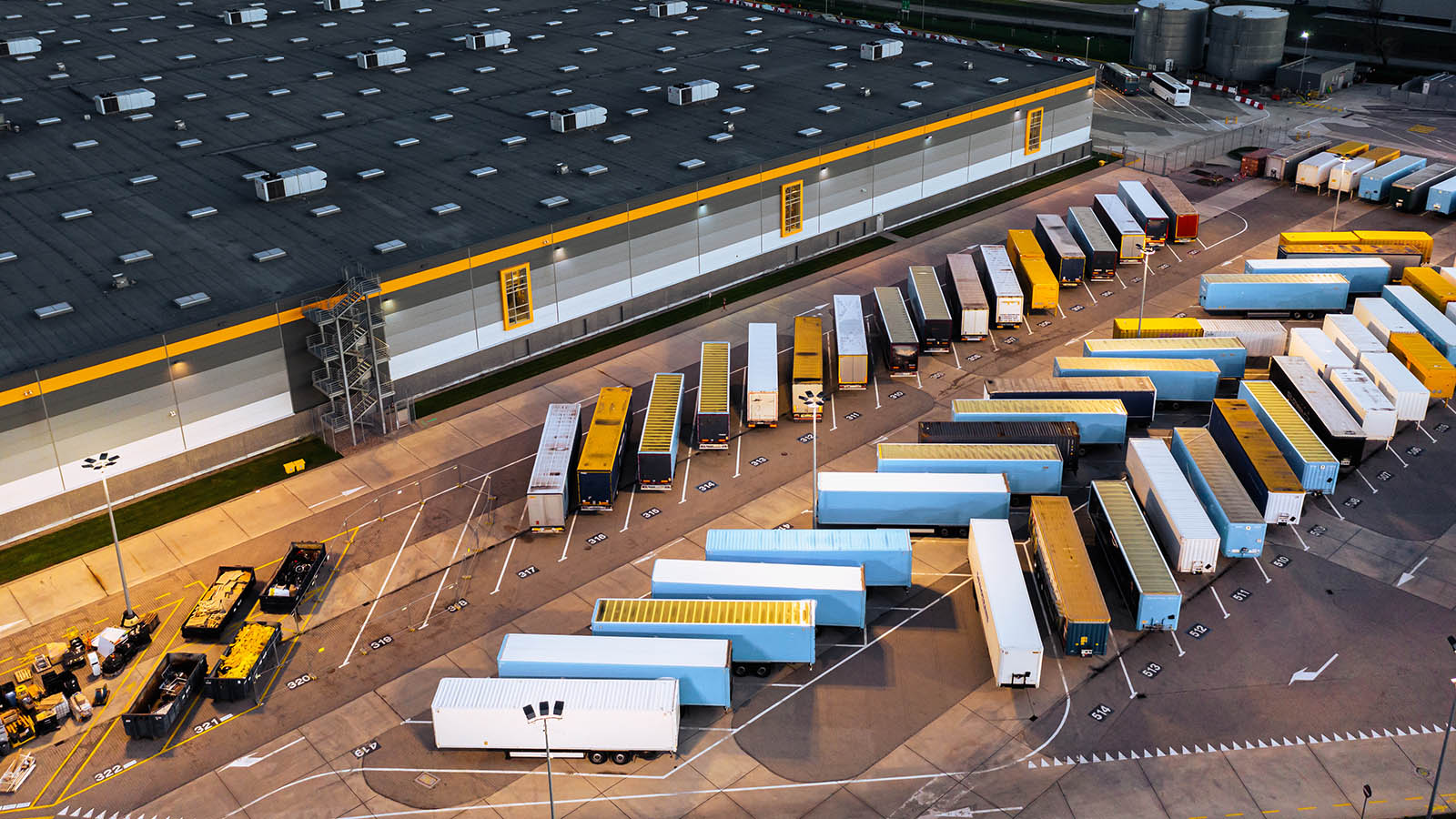
A mobile pop-up trailer is the most demanding build on an experiential fabricator’s shop floor. It has to survive interstates, set up in a parking lot in twenty minutes, draw a crowd in three seconds, and tear down clean enough to roll to the next market by morning. Every decision — chassis class, skin material, power topology, payload distribution — compounds across a tour. Get one wrong on stop one and you are still fighting it on stop fourteen.
This guide is for marketers, tour producers, and brand managers commissioning a touring activation in 2026. We will walk through the fabrication choices that determine whether a trailer earns its CPM across a national run, the regulatory gates that decide where it can park, and the integration patterns that separate a credible brand activation from a vehicle with stickers on it. The framing is industrial, not aspirational: lead times, weights, watts, and the cost of getting any of them wrong.
Why brands keep choosing trailers over fixed pop-ups
The math is straightforward. A fixed pop-up shop activation typically requires four to eight weeks of build time, a leased footprint that runs $15,000 to $60,000 per month in a major metro, and permitting overhead that varies by neighborhood. The cost-per-impression is high on opening weekend and slides downward week over week as foot traffic plateaus. A trailer flips the curve. The build is amortized across every stop. Footprint is rented by the day or hour. And the same asset that anchored Coachella weekend can be parked outside a Brooklyn warehouse rave the following Friday.
Trailers also solve a problem that pop-up shops cannot: geography. Sampling campaigns, regional product launches, and college-campus tours need the brand to physically arrive in markets where leased retail space is impractical. The trailer is the storefront. When we built the touring footprint for the Celsius pop-up, the brief was the same as every multi-market beverage tour we have run since: the activation needs to look identical in San Diego, Austin, and Brooklyn, and the crew needs to set it up without a forklift.
Chassis classes and what they actually constrain
Before any creative is finalized, the fabricator and the producer have to agree on chassis class. The chassis sets the upper bound on every subsequent decision. Going too small forces compromises on stage area, generator capacity, and crew comfort. Going too big drags you into commercial driver licensing (CDL), DOT inspections, and a parking footprint that disqualifies half your potential venues.
| Class | Typical length | GVWR | License | Best for |
|---|---|---|---|---|
| Cargo trailer conversion | 14–20 ft | 7,000–10,000 lb | Standard | Sampling, college tours, mall lots |
| Gooseneck / fifth wheel | 24–40 ft | 14,000–24,000 lb | Standard (most states) | Beverage and lifestyle activations |
| Semi-trailer expandable | 45–53 ft | 26,000+ lb | CDL Class A | Auto launches, large brand experiences |
| Container conversion | 20 or 40 ft | Varies | Standard (transported on flatbed) | Mixed-mode tours, urban activations |
The expandable semi class buys you the most floor area — many designs triple their interior footprint when slide-outs deploy — but they require a paid CDL driver on the tour roster and a much larger parking envelope. For most brand managers running their first tour, a gooseneck or 24-foot cargo conversion is the sweet spot. Below twenty feet, you start losing the ability to integrate a meaningful product display.
Skin systems: the visual that has to survive 12,000 miles
The exterior of a trailer takes more abuse than any other surface in experiential fabrication. Highway debris, sun fade, washing solvents, accidental loading-dock scuffs — over a six-month tour, every panel earns scars. The skin system has to be planned with that in mind, not specified as if it were a one-night booth.
The four common approaches:
- Cast vinyl wrap (3M IJ180Cv3 or Avery 1105): Eight-year outdoor durability, supports complex graphics, repairable in panel sections. Standard for most touring builds.
- Painted skin with clear coat: Premium look, harder to repair on the road, susceptible to clear-coat oxidation if the tour pushes into year two.
- ACM (aluminum composite material) panels: Bolt-on graphic panels that can be swapped between tours. Higher upfront cost, lowest cost-per-change across a multi-campaign life.
- Printed fabric tension graphics over a sub-structure: Cheapest, fastest, lightest, but UV life is twelve to eighteen months and stitching fails first in the corners.
For most national tours we spec cast vinyl over a properly prepped aluminum skin with a removable graphic strip pattern. The strip pattern matters: when a single panel is damaged in transit, the crew can replace one section at the next overnight stop instead of grounding the trailer for a full re-wrap. This is the same logic our shop uses on every trade show fabrication graphic — design for panel-level field repair, not whole-asset replacement.
Deployable architecture: slide-outs, awnings, and stage decks
What a trailer is at sixty-five miles per hour is not what it has to be at the activation. Transit mode is compact, sealed, and structurally rigid. Activation mode needs to expand the public-facing footprint, create a covered queue area, and present a stage or photo moment that reads from across a parking lot.
Side-deploy stages
A hydraulic or manual side-deploy stage adds 60 to 200 square feet of activation footprint. The mechanism — typically a steel scissor-arm assembly with deck panels that fold flat for transit — has to be rated for crowd-line and DJ-rig loads. Spec a minimum 100 lb/sq ft live load if you are putting talent or audio gear on it. The deck surface should be a non-skid PVC or treated marine plywood, never standard OSB.
Wing awnings and shade structures
Crowd shade is not optional for daytime activations in summer markets. A wing awning system — rigid frame with tensioned fabric, typically extruded aluminum spine — runs the length of the trailer and extends six to ten feet outward. Make sure the engineering allows for wind loading. We had to retrofit a Texas tour mid-route because the original spec called for a 25 mph wind rating; the first afternoon thunderstorm came through at 38 mph and the awning lifted. After that we standardized at 45 mph minimum across all touring builds.
Pop-up wall expansions
For trailers that need to function as a closed branded interior — cocktail lounge, immersive room, retail pop-up — the entire side wall can be designed to lift hydraulically and reveal a furnished space. This is the most expensive deployable feature, but it transforms what is possible inside the asset. A 32-foot gooseneck with full-side lift becomes a roughly 300-square-foot lounge instantly, with the lifted wall serving as a covered ceiling.
Power, climate, and the generator question
Power is where most first-time touring builds underspec. The math should start at the load list, not at “what fits.” Add up every continuous draw — LED screens, HVAC, refrigeration, audio, interior and exterior lighting, point-of-sale tablets, charging stations — apply a 1.25 safety factor, and that is your minimum generator rating in kilowatts. For a typical 28-foot lifestyle trailer with two 55-inch screens, a draft cooler, and full interior climate, expect 12 to 18 kW.
| Power source | Pros | Cons |
|---|---|---|
| Onboard diesel generator | Self-contained, runs anywhere, predictable runtime | Noise (60–75 dB at 10 ft), exhaust, fuel logistics, ordinance restrictions in some cities |
| Shore power (50A or 30A) | Silent, no exhaust, lower operating cost | Requires venue to provide rated panel; many parking lots cannot |
| Hybrid battery + solar | Silent activation hours, ESG narrative | Limited runtime under heavy load; battery weight cuts payload |
| Towed generator (separate trailer) | Generator can be parked away from public area for noise | Adds a second tow vehicle and parking footprint |
For most brand activations we recommend a dual-feed topology: an onboard diesel sized for full activation load, plus a shore-power transfer switch so the trailer can run silent when a venue has rated power available. NYC parks and several California cities now restrict generator runtime to four hours per day or ban them outright in certain park districts — the dual-feed gives the tour a path forward instead of a permit problem. We covered the broader regulatory side of NYC outdoor work in our NYC event permits and fire code guide, which covers fuel-storage and generator rules that apply to trailers operating in the five boroughs.
Interior buildouts: retail, sampling, hospitality, and immersive
The interior is where the brand actually meets the consumer. The four touring archetypes we see most often each have different fabrication requirements.
Retail / merch
Wall-mounted shelving, transit-rated display fixtures, and a back-of-house storage area for SKU replenishment. Every fixture has to ratchet-lock for transit; gravity-only shelving will fail the first hard brake. POS infrastructure needs hardwired and wireless paths because cellular coverage in convention center parking lots is unreliable.
Sampling / beverage
Refrigeration is the constraint. A commercial draft system needs 30 to 45 minutes of cooldown time before service, which has to be planned into the activation timeline. Drainage is regulated by health departments market by market — gray water tanks are required in most California and New York jurisdictions. Built-in CO2 storage has fire-code implications; segregated, ventilated cabinets with rated regulators are non-negotiable.
Hospitality / lounge
Soft seating, premium millwork, mood lighting, and often a bar service area. The challenge here is making millwork transit-survivable. We use marine-grade adhesives on every seam, fastener-locked panels (no glue-only joinery), and removable upholstery sections that crew can pull and store flat overnight if the next leg is a long haul.
Immersive / projection
Projection-mapped interiors, LED ceilings, or interactive surfaces. These trailers are essentially mobile immersive production environments. The wiring loom is the hidden cost — running data, control, and power to a ceiling-mounted projector array survives one tour only if the loom is properly strain-relieved and serviced between markets. We learned this on the build that informed our approach to immersive environments like the Magic Hour Mountain Lodge at Moxy NYC; the same principles apply when the room is moving down I-95.
Weight, payload, and the loading-distribution trap
Touring builds get heavier through their life cycle. Crews add lashing rails, the brand adds a second cooler at the third tour stop, a producer requests a heavier audio rig in market four. By tour stop eight, the trailer is over its GVWR and nobody noticed because the scale tickets stopped being checked.
A disciplined build sheet helps. The fabricator should publish a live payload budget — every fixture, every fastener, every gallon of fuel — and the producer should sign off before changes are accepted. We typically build with a 15% payload reserve so the inevitable mid-tour additions do not push the asset over weight. The principle is the same one we apply to permanent installs in our event fabrication materials guide: structure should be specified against the worst expected case, not the as-designed case.
Tour logistics: drivers, permits, and the parking question
The build is half the program. The other half is whether the asset can legally be where the brand needs it to be, with crew, on the date the schedule demands.
Driver roster
A non-CDL gooseneck or cargo trailer can be towed by a producer with a standard license. Anything semi-class needs a CDL Class A holder, and federal Hours of Service rules limit driving to eleven hours per duty period with mandatory rest. For tours that exceed 600 miles between stops, plan for either a paired-driver model or a hotel overnight on the route — your trailer cannot arrive in time and be load-in-ready the same morning.
Special-event parking permits
Most municipalities require a special-event parking permit when a branded vehicle is stationary in public right-of-way for activation purposes. Lead times vary: NYC requires 14 to 21 business days, Los Angeles 30 days, Chicago 21 days. Some cities also distinguish between “public space activation” and “commercial vehicle parking,” with different fee structures. The producer or fabrication partner should pull a permit calendar across every confirmed tour stop before the build kicks off, not after.
Insurance
A touring activation needs commercial auto policy on the towing vehicle, general liability covering the activation footprint, and an additional rider for the trailer itself as an inland-marine asset. Most venues require certificates of insurance naming the venue as an additional insured. Budget two to three weeks for COIs to be issued and routed.
Crew model: how many people set this up?
A well-designed touring trailer should be installable by a three-person crew in 60 to 90 minutes and torn down in 30 to 45. If the design requires a five-person crew or specialty equipment at every stop, the labor line item across a 20-stop tour will erode the program’s ROI by 15 to 20 percent. We design fabrication around the smallest viable crew. That means hydraulic-assist deployables where possible, two-person-liftable graphic panels, color-coded fastener systems so a green hand can find the right bolt in the first ten seconds.
The crew model applies to all of our touring-class work. We applied the same principles when planning the Café de Colombia activation at the San Diego Convention Center: design the asset so a small touring team can deploy it the same way every stop, without local labor being load-bearing on the program.
Lead times and what to expect from the fabricator
Lead times for touring builds are longer than for static experiential pieces. The structural engineering, DOT compliance review, and chassis procurement add three to six weeks before fabrication can start. A realistic timeline for a fully custom touring trailer:
- Weeks 0–2: Discovery, creative concept, chassis selection
- Weeks 2–4: Structural engineering, electrical schematic, DOT review
- Weeks 4–6: Chassis procurement and intake
- Weeks 6–12: Skin install, deployable mechanism fabrication, interior buildout
- Weeks 12–14: Power and AV integration, factory acceptance test
- Weeks 14–16: Graphics application, road trial, crew training
- Week 16: Tour deployment
Sixteen weeks is a working assumption for a meaningful build. Compressed builds are possible — we have delivered in nine — but compression eliminates the road trial, which is the single most valuable phase. A trailer that has not been driven loaded for 200 miles before tour stop one will fail something on the road; the only question is whether the failure happens during a producer test drive or in front of a crowd in Detroit.
Cost ranges for 2026 builds
Budgeting for a touring fabrication is more variable than for static work because the chassis itself is a major line item and the deployables can scale wildly. Approximate ranges for 2026 builds, including chassis, fabrication, graphics, and electrical:
| Tier | Build cost range | What you get |
|---|---|---|
| Entry sampling trailer | $85,000–$140,000 | 16–20 ft cargo, wrap, awning, basic electrical, one fridge |
| Mid-tier brand activation | $160,000–$280,000 | 24–32 ft gooseneck, side stage, full graphic skin, dual feed power, AV |
| Premium hospitality / launch | $320,000–$550,000 | 32–40 ft with full-wall lift, hardwood interior, integrated bar, projection |
| Flagship semi-class | $650,000–$1.2M+ | Expandable semi, CDL-driven, multi-room interior, hydraulic everything |
These ranges are for fabrication only. A 20-city tour with crew, fuel, permits, insurance, and per-market production typically runs $400,000 to $1.5M on top of the asset cost depending on stop count and market mix.
What to brief your fabricator with
The cleanest tour briefs we receive include all of the following. If you cannot answer a question yet, name the unknown — that lets the fabricator scope around it instead of guessing.
- Tour stop count, market list, and tour duration
- Activation archetype: retail, sampling, hospitality, immersive, hybrid
- Expected daily foot traffic per stop
- Crew model: who tours with the asset, who is local
- Power assumptions per market (shore vs. generator)
- Whether the asset will be repurposed after the initial tour
- Brand graphic standards, color spec, and any required certifications (sustainability, fire-rated materials)
- Hard deadline — first activation date — and any contractual obligations driving it
For brand managers commissioning their first tour, the event fabrication RFP template we publish covers most of these inputs in a format vendors can quote against directly. Reusing it for a touring build shortens the back-and-forth at the front of the project by one to two weeks.
After the tour ends: storage, refresh, and second-life programs
The asset does not have to retire when the tour does. A well-built touring trailer has a five-to-seven year service life with appropriate refresh cycles. Three patterns we see brands run:
- Graphic refresh between campaigns: Strip and re-wrap the same chassis for a new product launch. Cost is typically 8 to 12 percent of original build.
- Interior reskin: Same shell, new interior architecture — common between a sampling tour and a follow-up hospitality activation.
- Resale into the sub-market: Used branded trailers have a real secondary market. A trailer that originally cost $250,000 commonly resells for $80,000–$140,000 after a deep clean and de-branding.
Storage between campaigns matters too. Indoor, climate-controlled storage in the Northeast typically runs $250–$450 per month for a 30-foot trailer. Outdoor uncovered storage shortens the asset’s life by an estimated 30 to 40 percent — the graphics oxidize, gaskets fail, and electrical issues accumulate. The storage line item is small relative to the asset cost; do not cut it.
Why this work belongs with a fabricator, not a sign shop
A mobile activation lives at the intersection of structural engineering, electrical systems, graphic production, scenic carpentry, AV integration, and federal motor-vehicle compliance. A sign shop can wrap a trailer. A coachbuilder can modify a chassis. Neither builds a working brand activation. The deliverable is an end-to-end touring program — chassis to crew to first crowd — which requires a single team that owns every discipline.
That is what an experiential fabricator does. The work spans experiential design, structural fabrication, electrical and AV integration, graphic production, and field-ready engineering — all rolled into a single asset that has to perform on a parking lot the next morning. It is closer to building a small theater that drives itself than to building a booth.
How to start a touring build with PUYB
If you are scoping a 2026 tour, the right next step is a discovery conversation with the fabricator who is going to engineer the build. Bring the tour calendar, the activation archetype, and any creative direction the agency has produced. We will respond with chassis recommendations, a fabrication timeline anchored to your first activation date, and a payload-budgeted build sheet you can validate against your tour stop list.
To get started, request a touring activation quote through our event fabrication services intake. The earlier in the calendar a build conversation begins, the more design latitude you keep — and the less you will spend later on the kind of compromises that only get expensive once the chassis is on the shop floor.