Mar 25, 2026
12 Summer Outdoor Brand Activation Ideas for 2026
Twelve summer outdoor brand activation ideas for 2026 covering mobile pop-ups, rooftop experiences, festival builds, waterfront installations, and more.
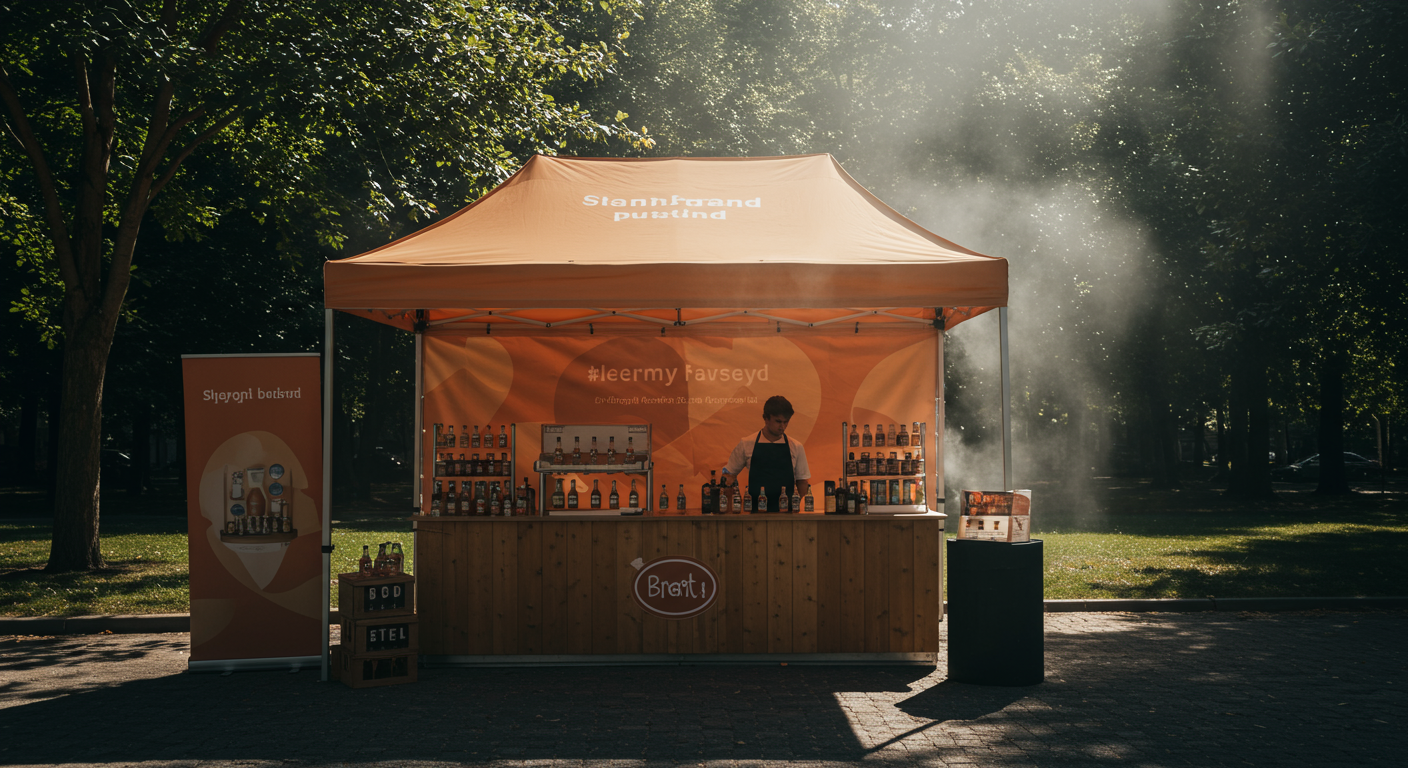
Summer outdoor brand activations are experiential marketing installations staged in open-air environments during the warmer months, leveraging favorable weather, extended daylight, increased foot traffic, and the cultural energy of summer to connect brands with consumers through memorable, shareable physical experiences. The 2026 summer activation season offers expanded opportunities as brands invest more heavily in physical touchpoints to complement digital campaigns.
Why Summer Is the Peak Season for Outdoor Activations
Summer concentrates several advantages that make outdoor brand activations uniquely effective. Pedestrian traffic in urban centers increases by 20 to 40 percent as warmer weather draws people outdoors. Major cultural events — music festivals, food festivals, sporting events, Pride celebrations, and holiday weekends — create built-in audiences numbering in the tens or hundreds of thousands. Extended daylight hours provide more operating time per day and better conditions for photography and content creation. The seasonal mindset of consumers shifts toward openness, exploration, and social activity, lowering barriers to brand engagement.
The operational advantages are equally compelling. Outdoor venues typically offer more flexible configurations than indoor spaces, accommodating larger builds and higher capacities. Permitting processes for outdoor activations, while requiring advance planning, are well-established in major markets. And the visual spectacle of a well-executed outdoor activation — set against city skylines, waterfront views, or parkland — creates more dramatic and shareable content than any indoor environment.
1. Mobile Pop-Up Truck Activation
A converted vehicle — trailer, shipping container, or custom-built mobile unit — serves as a self-contained brand activation that can tour multiple neighborhoods, cities, or events throughout the summer. The vehicle becomes both the physical structure and a moving billboard, generating impressions during transit as well as at activation sites. Interior buildouts can include product displays, sampling stations, interactive technology, and checkout capabilities. The pop-up shop design principles that apply to fixed locations translate directly to mobile units, with the added engineering constraint of structural elements that must survive highway travel between stops.
2. Rooftop Brand Experience
Rooftop activations combine exclusivity with dramatic visual backdrops. New York City rooftops in particular offer skyline views that elevate any brand experience from ordinary to extraordinary. The format works for product launches, influencer events, media previews, and consumer experiences that benefit from a sense of elevation — both literally and figuratively. Structural engineering review is essential for rooftop builds, as load capacity varies significantly between buildings. Weather contingency planning must address wind exposure at height, which is more severe than at street level, and rapid-shelter options for unexpected rain.
3. Festival Brand Footprint
Music, food, and cultural festivals offer concentrated audiences of thousands to hundreds of thousands of attendees who are already in a receptive, experience-seeking mindset. A branded festival footprint can range from a simple sampling booth to a fully immersive lounge environment with shade structures, charging stations, product experiences, and entertainment programming. The key to festival activation success is providing genuine value to attendees — shade, seating, hydration, phone charging, entertainment — rather than simply demanding their attention. Brands that serve the festival audience earn engagement; brands that interrupt it earn resentment.
4. Waterfront Installation
Parks, boardwalks, piers, and riverfronts provide high-traffic summer venues with natural visual appeal. A waterfront activation benefits from the scenic environment while offering brands a premium setting that communicates quality and aspiration. Structural considerations include wind loads, salt air corrosion (for coastal locations), tidal considerations for pier-level installations, and anchoring requirements for temporary structures on surfaces where traditional fastening may not be permitted. Brand activation builds for waterfront locations require materials rated for outdoor exposure and wind-resistant engineering.
5. Outdoor Movie or Screening Experience
Branded outdoor screening events combine the nostalgia of drive-in and outdoor cinema with modern experiential design. The brand creates the environment — seating areas, concession experiences, pre-show entertainment, photo moments — while the screening content provides the primary draw. This format works for entertainment brands launching new content, beverage brands associating with social experiences, and lifestyle brands targeting communal outdoor enjoyment. Technical requirements include high-brightness projection or LED screen technology that performs in ambient daylight or twilight conditions, professional sound systems, and power distribution for extended evening operations.
6. Interactive Sports or Game Zone
Physical activity activations capitalize on summer energy and the desire for outdoor recreation. Branded sports experiences — basketball courts, mini golf courses, obstacle courses, and lawn game areas — invite extended engagement that dwell-time-dependent formats like sampling cannot achieve. The competitive element drives repeat participation and social sharing as attendees document their performances. These builds require durable materials that withstand heavy physical use, safety surfacing, and clear wayfinding. The fabrication combines structural engineering with playful design that communicates brand personality.
7. Branded Garden or Green Space
Sustainability-focused brands benefit from activations that create green spaces — temporary gardens, living walls, or parklets — in urban environments where greenery is scarce. These installations make a visual statement about brand values while providing a genuine amenity to the community. Live plantings, natural materials, and sustainable construction methods reinforce the environmental message. Programming can include workshops, tastings (for food and beverage brands), wellness activities, and educational content. Pop Up Your Brand builds these environments using a combination of scenic fabrication for structural elements and landscaping partnerships for living components.
8. Immersive Art Installation
Outdoor art installations blur the line between brand activation and public art, creating experiences that attract attention through aesthetic merit rather than overt commercial messaging. Brands commission or collaborate with artists to create large-scale installations that subtly integrate brand elements while delivering visual spectacle. These activations earn media coverage on their artistic merits and attract visitors who might not engage with traditional marketing. The photo moment fabrication expertise required for these builds ensures every angle produces shareable imagery while maintaining structural integrity for outdoor exposure.
9. Pop-Up Food and Beverage Experience
Summer and outdoor dining are inseparable in consumer culture, making food and beverage activations a natural fit for warm-weather programming. Branded outdoor dining experiences, cocktail gardens, tasting events, and food truck parks create social environments where product sampling happens in context rather than in isolation. The physical environment — custom bars, communal tables, shade structures, lighting, and decorative elements — transforms a simple tasting into an immersive brand moment. Health department permitting, food safety compliance, and beverage licensing require advance planning specific to each municipality.
10. Augmented Reality Scavenger Hunt
Technology-enhanced outdoor activations use augmented reality to layer digital experiences onto physical environments, creating hybrid engagements that drive foot traffic across multiple locations. Participants use a branded app or web experience to discover AR content at physical checkpoints, with each discovery unlocking rewards, product access, or entries into larger prizes. The physical component — branded waypoints, starting areas, and prize redemption stations — requires fabrication that is visible and inviting enough to attract participation from passersby. This format turns an entire neighborhood into the activation footprint.
11. Nighttime Illuminated Experience
Summer’s warm evenings create opportunity for after-dark activations centered on lighting, projection, and illuminated structures. Branded light installations, projection mapping onto buildings or structures, LED art pieces, and neon-style signage create dramatic nighttime environments that attract attention and generate visually stunning content. These activations often run as evening-only experiences, creating exclusivity and urgency. Technical requirements include high-output lighting systems, weatherproof electrical distribution, and structural designs that perform visually both during daylight hours and after dark. Immersive production capabilities are essential for lighting-driven experiences that must maintain visual impact across changing ambient conditions.
12. Community-Partnered Block Party
Brands that embed themselves in community events rather than creating standalone activations benefit from existing audiences, local credibility, and positive brand association. Sponsoring or co-producing a block party, street fair, or community celebration provides a platform for brand presence within a context of community engagement. The brand provides infrastructure — stages, entertainment, activities, refreshments — while the community provides the audience and the authenticity. This format requires genuine community partnership rather than superficial sponsorship, with local organizations involved in planning and programming decisions.
Planning Outdoor Activations: Key Considerations
Weather Contingency
Every outdoor activation plan must include a weather contingency strategy. Options include fully tented structures that provide protection while maintaining an outdoor feel, rapid-deployment weather covers for open-air builds, indoor backup venues, and weather-triggered cancellation or postponement protocols with clear communication plans. The worst outcome is an activation that looks abandoned or defeated by weather. Design structures that handle rain and wind gracefully rather than structures that only work in perfect conditions.
Permitting and Municipal Requirements
Outdoor activations in public spaces require permits from multiple municipal agencies — parks departments, transportation departments (for street closures), fire departments, health departments (for food service), and noise control boards. In New York City, the permitting process can require 6 to 12 weeks of lead time. Engage a local permitting consultant or work with a production partner experienced in your target market’s regulatory landscape.
Power and Infrastructure
Outdoor locations rarely provide the electrical service, water access, internet connectivity, or waste management infrastructure that indoor venues offer. Generator power, portable water systems, cellular or satellite internet solutions, and waste removal services must be planned and budgeted as part of the activation infrastructure. Generator placement must consider noise impact on the activation experience and neighboring properties.
Materials and Durability
Outdoor fabrication materials must withstand sun exposure (UV degradation, color fading), rain, wind loads, temperature fluctuation, and in coastal locations, salt air. Marine-grade hardware, UV-resistant paints and coatings, powder-coated metals, and outdoor-rated electrical components are standard requirements. Anchoring and ballasting systems must secure structures against wind events without damaging the underlying surface, which is especially important in parks and public spaces where ground penetration is prohibited.
Bringing Your Summer Activation to Life
The 2026 summer season offers brands an exceptional window to connect with consumers through outdoor experiences that combine physical spectacle with genuine value. The most successful activations are those that give the audience something — entertainment, refreshment, shade, beauty, play, or discovery — rather than simply asking for attention.
PUYB designs and fabricates outdoor brand activations engineered for real-world conditions, from waterproof structural systems to UV-resistant finishes to wind-rated structures. The Celsius Pop-Up demonstrated PUYB’s ability to deliver high-impact outdoor brand experiences that perform across weather conditions while maintaining premium visual quality. With in-house design, fabrication, and installation capabilities, Pop Up Your Brand compresses timelines and eliminates multi-vendor coordination challenges that frequently delay outdoor activations past their optimal launch windows.
Recent work like the Café de Colombia activation at San Diego Convention Center and the Monday.com MP Live exhibit reflects the in-house fabrication standards Pop Up Your Brand brings to every build.