Jun 23, 2026
Custom Event Furniture Fabrication: An NYC Build Guide
Custom event furniture fabrication for NYC brand activations: when to build vs rent, materials, joinery, branding, tour-ready durability, and lead times.
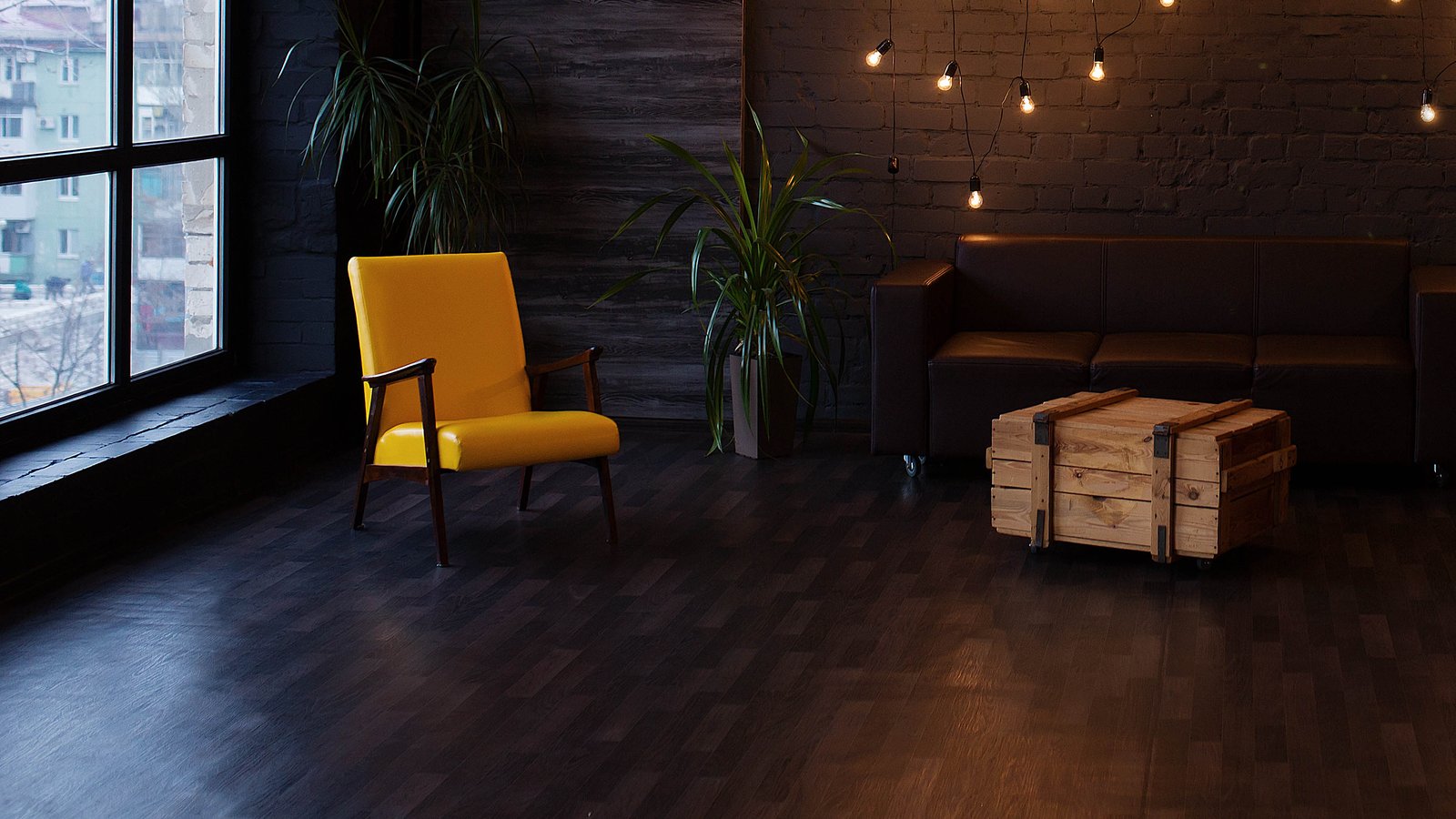
The furniture is the part of an activation guests actually touch. They lean on the bar, drop into the lounge chair, set a drink on the cocktail table, and queue against the rail. Rental catalogs cover the generic version of all of that, but the moment a brand wants a custom silhouette, a logo routed into a tabletop, or a color that matches the master palette to the Pantone chip, the rental shortcut disappears. Custom event furniture fabrication is the discipline that fills the gap, and in a market like New York it is one of the busiest corners of any fabrication shop. It sits right at the intersection of experiential design and hands-on shop work, where a rendering becomes a physical object that has to survive a load-in, a thousand guests, and a teardown at 2 a.m.
This guide walks through how custom furniture for events and brand activations actually gets built: when it makes sense versus renting, the trades involved, the materials and joinery that hold up under abuse, how branding gets integrated, and what realistic lead times and budgets look like. The tone here is the same one we use on a build call. Lead times are quoted in business days, panel thicknesses in inches, and nothing is left to “we’ll figure it out on site.”
Custom build vs. rental: when each one wins
Most events use a blend of both, and the smart move is knowing where the line sits. Rental furniture is the right call when the piece is purely functional, sits in a back-of-house area, or appears in low quantities where tooling up a custom run makes no sense. A green room sofa nobody photographs does not need to be fabricated from scratch.
Custom fabrication wins the moment the furniture becomes part of the brand story. If a piece will appear in hero photography, carry a logo, anchor a brand activation set, or needs a footprint that no catalog stocks, you build it. The economics also tip toward custom at volume: once you need twenty matching podiums or a bar that wraps a specific column, the per-unit cost of a custom run starts to compete with premium rental, and you own the asset at the end.
- Rent when the piece is generic, low-visibility, or needed in small quantity for a single date.
- Build when the piece is on-camera, branded, oddly sized, needed in matched volume, or destined to tour multiple cities.
- Hybrid when a rental frame can be skinned, wrapped, or topped with a custom branded surface, which is often the fastest path to a custom look on a tight timeline.
The trades behind a single piece of furniture
A custom cocktail table looks simple. The build behind it usually touches four or five disciplines. Carpentry and millwork handle the structure and the cabinetry-grade surfaces. CNC routing cuts repeatable parts and inlays. Metal fabrication produces bases, legs, and rail systems where wood would flex. Paint and finishing close it out with the color and protective topcoat, and upholstery wraps the soft goods. The same shop that builds stage and scenic elements typically runs all of these trades under one roof, which is why furniture builds slot naturally into a fabricator’s workflow rather than getting farmed out.
That cross-trade coordination is the real value. When the same team that engineers a scenic wall also fabricates the lounge seating in front of it, the finishes match, the deadlines align, and there is one point of accountability instead of three vendors pointing at each other. On the Magic Hour rooftop program we treated the furniture and the environment as one build rather than two purchases, which is why the lounge read as a single designed space and not a furniture order dropped into a room. You can see that approach in the Magic Hour Mountain Lodge at Moxy NYC project.
Materials and joinery that survive an event
Event furniture lives a harder life than residential furniture. It gets loaded onto a truck, dollied across a loading dock, assembled by a crew that has never seen it before, and used by guests who treat it like it belongs to someone else. Material selection is mostly a conversation about strength-to-weight and how a piece behaves when it is moved fifty times.
| Material | Typical use | Why it earns the spot |
|---|---|---|
| 3/4″ Baltic birch plywood | Tops, boxes, structural panels | Void-free core, screws and joins reliably, takes paint or laminate cleanly |
| MDF | Painted surfaces, routed faces | Dead-flat, no grain telegraphing, ideal for high-gloss finishes; heavy, so reserve for surfaces |
| Aluminum extrusion / steel tube | Bases, legs, rails, bar frames | Stiffness without bulk; powder-coats; handles cantilevers wood cannot |
| Acrylic / polycarbonate | Lit surfaces, illuminated bars, panels | Edge-lights beautifully, lets LED glow through, durable when specced thick |
| HPL laminate | Bar tops, table surfaces, high-touch faces | Scratch and spill resistant, color-stable across a tour |
Joinery is where shop-grade work separates from set dressing. Pocket screws, dadoes, and dominoes hold up to repeated assembly far better than glue and brads. For touring pieces, the smartest move is designing knock-down joinery from the start: threaded inserts, cam locks, and captive hardware that let a piece break flat into a road case and reassemble without a drill index. A furniture piece that requires the original fabricator to reassemble it is a piece that will fail on the road.
Upholstery, paint, and finish
Finish is where the brand lives. Color matching to a brand standard means spraying to a specific code rather than picking the nearest can, and it means accounting for sheen as much as hue. A matte and a gloss in the same color photograph as two different colors under event lighting, so the finish spec should always name both the color and the sheen.
Soft goods that take abuse
Commercial-grade and performance fabrics rated for high double-rub counts are the baseline for any seating that the public will use. Vinyl and coated textiles wipe clean between days, which matters for a multi-day run where spills are guaranteed. Foam density is the quiet variable: too soft and a seat bottoms out by day two, too firm and nobody lingers. Contract-grade foam in the right density is what makes a custom lounge piece feel intentional rather than improvised.
Building the brand into the furniture
Branded furniture is more than a logo decal. The strongest executions build identity into the form itself: a routed and backlit logo in a bar face, a tabletop inlaid with the brand mark, a color that is unmistakably the brand before anyone reads a word. This is where furniture fabrication and pop-up shop design overlap most heavily, because retail fixtures and event furniture share the same job: making a branded object that also has to function as a place to put product or drinks.
Integration methods range from the subtle to the loud. Direct-print and dye-sublimation put graphics edge to edge on a surface. CNC routing carves a logo into a panel for a dimensional, premium read. Vinyl wraps offer the fastest turnaround and the easiest swap between markets. Edge-lit acrylic and embedded LED turn a bar or a plinth into a light source. The Primark holiday program leaned on branded fixtures and furniture that doubled as merchandising and photo-op surfaces, a good example of furniture pulling double duty in a retail context, documented in the Primark Holiday Pop Up build.
The furniture a guest leans on for twenty minutes does more brand work than a sign they walk past in three seconds. Build the piece they will actually touch.
Durability and the touring problem
A piece built for one night in a controlled venue and a piece built to tour ten cities are two different objects, even if they look identical. Touring furniture has to survive freight handling, repeated assembly by different crews, temperature and humidity swings, and the slow loosening that comes from being put together and taken apart over and over. The engineering for a tour starts with the road case, not the furniture.
- Captive hardware so nothing small gets lost across cities.
- Reinforced corners and edges at every point a dolly or a forklift will contact.
- Numbered, keyed assembly so a local crew can build it correctly without the original team present.
- Custom road cases or crates sized to the broken-down footprint, with foam-cut inserts that protect finished faces.
- Touch-up kits shipped with the piece, because finishes will chip and a five-minute fix beats a replacement.
Beverage activations are a useful stress test for all of this, because the furniture is the activation. The bar, the sampling counter, and the lounge are the experience, and they all get hammered for hours. A program like the Celsius Pop Up depends on furniture and fixtures that look sharp on day one and still look sharp after the wear of a high-traffic sampling run.
Lead times and budget
Custom furniture lead times track the complexity of the finish and the volume, not just the part count. A small run of straightforward pieces can move in two to three weeks. A matched set with custom upholstery, integrated lighting, and a tour-ready case package realistically wants five to eight weeks once the design is locked. The single biggest schedule killer is late design approval: every day a finish or dimension stays unresolved is a day the shop cannot cut, and that time does not compress at the end.
- Design and engineering: 3 to 10 business days depending on complexity and revision rounds.
- Material procurement: 2 to 10 business days; specialty laminates and fabrics run longer.
- Fabrication and finishing: 1 to 4 weeks based on volume and finish spec.
- Upholstery: often parallel to fabrication, 1 to 2 weeks for a custom run.
- QC and crating: 2 to 5 business days, never skip it.
On budget, the drivers are finish quality, upholstery, integrated technology, and quantity. A painted MDF plinth is inexpensive; the same plinth with a high-gloss automotive finish, edge-lit acrylic, and embedded LED is a different number entirely. Hospitality-forward programs that lean on lounge furniture and bars, like the work we did with Tao Group at the Moxy Hotel, show how furniture-heavy a build can get when the guest experience is built around sitting, drinking, and lingering rather than walking through.
Working with a fabricator
The handoff that produces good furniture is specific. A fabricator can work from a rough sketch, but the build is faster and cheaper when the brief carries real information: overall dimensions and any footprint constraints, finish and color specs with sheen, the brand assets at production resolution, the quantity, whether the piece tours, and the in-hand date. The more of that arrives up front, the less the project leans on assumptions that get expensive to unwind later.
It also helps to involve the fabricator early, while the concept is still flexible. A shop that also handles immersive production can flag, at the sketch stage, that a cantilever needs a steel insert or that a lighting effect requires a hollow base for the driver, before those decisions are locked. Nightlife and hospitality builds make this obvious: a venue program like Delilah x hwoodgroup ties custom furniture, millwork, and finishes into a single environment where every surface has to feel deliberate, which only happens when design and fabrication talk to each other from the start.
Build the pieces your guests will actually touch
Custom event furniture is rarely the line item that gets the most attention in a budget, and it is almost always the one guests remember, because it is the part of the activation they physically interact with. Get the materials, joinery, finish, and tour engineering right and a single set of pieces can carry a brand through a multi-city run looking as sharp on the last stop as the first. If you have a program coming up that needs custom bars, lounge seating, branded tables, or fixtures built to spec, our event fabrication services team can scope the build, quote it in real lead times, and put it in front of your guests on schedule. Bring the brief and we will tell you exactly what it takes to make it.